Recovering from appendix surgery can feel overwhelming, especially when your body needs extra care to heal properly. With the latest insights on nutrition’s role in post-surgical recovery, choosing the right foods can make a significant difference in how quickly and comfortably you bounce back.
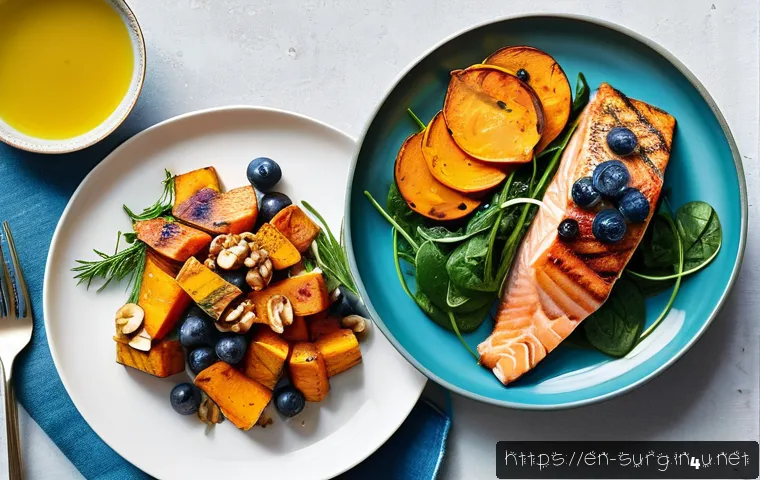
Whether you’re dealing with fatigue, inflammation, or digestive adjustments, certain healing foods provide essential nutrients that support tissue repair and boost your immune system.
I’ve personally seen how adding these foods to my diet after surgery helped speed up recovery and improve energy levels. If you’re ready to nourish your body wisely and feel better faster, keep reading to discover the top healing foods that can transform your healing journey.
Gentle Proteins That Support Tissue Repair
Why Lean Proteins Matter After Surgery
When your body is healing from an appendectomy, proteins become your best friend. They provide the building blocks—amino acids—needed to repair tissues and promote wound healing.
But not all proteins are created equal in this delicate phase. Lean options like chicken breast, turkey, and tofu offer high-quality protein without putting extra strain on your digestive system.
I remember after my surgery, sticking to lean proteins helped me feel less bloated and more energized, which made a huge difference during those first few weeks.
Incorporating Soft and Easily Digestible Proteins
After surgery, your digestive system may be sensitive, so it’s wise to choose proteins that are easy to digest. Soft-cooked eggs, fish like cod or tilapia, and smooth nut butters are excellent choices.
They not only supply necessary nutrients but also avoid irritating your gut. Personally, I found that scrambled eggs with a touch of olive oil were a comforting and nourishing breakfast that didn’t upset my stomach or slow down my recovery.
Plant-Based Proteins and Their Healing Benefits
If you lean towards plant-based eating, options like lentils, chickpeas, and quinoa are fantastic post-surgery. These foods are rich in protein and fiber, which can help regulate digestion and prevent constipation—a common post-operative challenge.
Just be mindful to introduce fiber slowly, as too much at once might cause discomfort. I gradually added small servings of lentil soup, and it really helped keep my digestive system balanced without overwhelming it.
Foods That Help Combat Inflammation
Anti-Inflammatory Power of Omega-3 Fatty Acids
Inflammation is a natural part of healing, but excessive inflammation can cause discomfort and slow recovery. Omega-3 fatty acids, found in fatty fish like salmon, mackerel, and sardines, are well-known for their anti-inflammatory properties.
After my appendectomy, I made a point to include salmon twice a week. I noticed less abdominal soreness and quicker reduction in swelling compared to when I avoided these healthy fats.
Colorful Fruits and Vegetables to Reduce Swelling
Vibrantly colored produce such as blueberries, spinach, and sweet potatoes are packed with antioxidants and vitamins that help reduce inflammation. The flavonoids and carotenoids in these foods neutralize free radicals, which can worsen inflammation.
I personally loved blending spinach and berries into smoothies; it was an easy way to consume these healing nutrients without much effort, especially when my appetite was low.
Herbs and Spices That Soothe the Body
Incorporating herbs like turmeric, ginger, and garlic can add more than flavor—they bring powerful anti-inflammatory compounds to the table. Turmeric’s curcumin, for example, has been shown to reduce markers of inflammation.
I started adding fresh ginger tea to my routine, and it not only soothed my stomach but also helped me feel less achy overall, which was a pleasant surprise during recovery.
Hydration and Digestive Comfort
The Crucial Role of Fluids in Healing
Staying well-hydrated is critical after surgery to support circulation, flush out toxins, and maintain healthy digestion. Water should be your go-to, but herbal teas and clear broths also contribute valuable hydration and nutrients.
I found that sipping warm bone broth throughout the day was comforting and helped keep my energy steady while also aiding gut health.
Foods That Promote Gentle Digestion
To avoid constipation and digestive discomfort, it’s important to eat foods that support smooth digestion. Oatmeal, bananas, and cooked carrots are gentle on the stomach and provide soluble fiber, which can ease bowel movements without causing irritation.
During my recovery, a bowl of warm oatmeal with mashed banana became a staple—it was easy to digest and kept me feeling full without heaviness.
Balancing Electrolytes for Optimal Recovery
Electrolytes like potassium, magnesium, and sodium are essential to maintain fluid balance and muscle function. Foods such as coconut water, avocados, and leafy greens are rich in these minerals.
I noticed that when I included these foods, I felt less fatigued and more balanced, especially when I was less active during the early days after surgery.
Vitamins and Minerals That Accelerate Healing
Vitamin C: The Collagen Booster
Vitamin C plays a vital role in collagen formation, which is crucial for wound healing and tissue strength. Citrus fruits, strawberries, and bell peppers are excellent sources.
I made sure to have a citrus fruit or a bell pepper salad daily, and I could feel my skin and incision area recovering more smoothly with less tenderness.
Zinc for Immune Support
Zinc contributes to immune function and helps repair damaged cells. Foods like pumpkin seeds, beef, and lentils provide zinc in bioavailable forms. Adding roasted pumpkin seeds as a snack helped me feel more resilient against infections, which gave me peace of mind during the vulnerable recovery phase.
Iron for Energy and Recovery
Iron is essential for oxygen transport and energy production, often depleted after surgery. Lean red meat, spinach, and fortified cereals are great sources.
I struggled with fatigue initially, but when I focused on iron-rich foods combined with vitamin C to enhance absorption, my energy gradually improved, allowing me to return to light activities faster.
Balancing Fiber Intake for Comfort and Healing
Starting Slow with Soluble Fiber
Post-surgery, fiber intake requires a gentle approach to avoid digestive distress. Soluble fiber, found in oats, apples, and carrots, dissolves in water and forms a gel-like consistency that soothes the digestive tract.
I started with small portions of these foods and noticed my bowel movements became more regular without cramping or bloating.
When to Reintroduce Insoluble Fiber

Insoluble fiber, present in whole grains, nuts, and raw vegetables, adds bulk to stool but can be harsh early on. It’s best to wait a few weeks before reintroducing these foods gradually.
I learned that pushing too hard too soon led to discomfort, so pacing fiber intake helped me avoid unnecessary setbacks.
Hydration’s Role with Fiber
Increasing fiber without adequate water can worsen constipation. I made a conscious effort to drink plenty of fluids alongside fiber-rich foods, which kept everything moving smoothly.
This combination was key to maintaining digestive comfort as my body healed.
Essential Fats for Brain and Cell Regeneration
Incorporating Healthy Fats for Cell Membrane Repair
Healthy fats like those from avocados, olive oil, and nuts support cell membrane integrity and brain function during recovery. I found that including a small handful of walnuts or a drizzle of extra virgin olive oil in my meals made me feel satiated and mentally sharper, which was a welcome bonus during a period of physical weakness.
Moderation with Saturated Fats
While fats are important, it’s wise to limit saturated and trans fats that can promote inflammation. Choosing natural sources and cooking methods like baking or steaming helped me avoid processed fats that might have slowed healing.
Fat-Soluble Vitamins and Their Absorption
Vitamins A, D, E, and K require fat for proper absorption. Pairing colorful vegetables with healthy fats ensured I got the full benefit. For example, I tossed spinach with olive oil and roasted sweet potatoes with a bit of butter, enhancing nutrient uptake and supporting overall recovery.
Post-Surgery Nutrient-Rich Foods at a Glance
| Food Category | Examples | Key Nutrients | Benefits for Recovery |
|---|---|---|---|
| Lean Proteins | Chicken breast, tofu, eggs | High-quality protein, amino acids | Supports tissue repair and muscle maintenance |
| Anti-Inflammatory Foods | Salmon, turmeric, blueberries | Omega-3, curcumin, antioxidants | Reduces inflammation and promotes healing |
| Hydrating Fluids | Water, bone broth, herbal teas | Fluids, electrolytes | Maintains hydration, supports digestion |
| Vitamin C Rich Foods | Oranges, strawberries, bell peppers | Vitamin C | Enhances collagen production and immune function |
| Fiber Sources | Oats, bananas, cooked carrots | Soluble fiber | Improves digestion, prevents constipation |
| Healthy Fats | Avocados, olive oil, walnuts | Monounsaturated fats, omega-3 | Supports cell regeneration and vitamin absorption |
Managing Appetite and Meal Timing
Small, Frequent Meals for Better Tolerance
After surgery, your appetite may fluctuate, and large meals can feel overwhelming. Eating smaller, more frequent meals helped me maintain steady energy without feeling stuffed or nauseated.
This approach allowed my body to absorb nutrients more efficiently and kept my blood sugar balanced.
Listening to Your Body’s Signals
Recovery is not a one-size-fits-all process. I found that tuning into hunger cues and not forcing food down when I wasn’t ready prevented unnecessary discomfort.
Sometimes, a light snack like yogurt or a smoothie was just enough to keep me nourished.
Planning Ahead with Easy-to-Prepare Foods
Having simple, nutritious options ready made a huge difference on days when I felt too weak to cook. Prepping meals like chicken soup or mashed sweet potatoes in advance ensured I always had healing foods within reach, reducing stress and supporting consistent nutrition.
The Importance of Mindful Eating During Recovery
Eating Slowly to Aid Digestion
Post-surgery, I realized that eating slowly and chewing thoroughly helped my digestive system handle food better. It reduced bloating and discomfort, making meals more enjoyable even when my appetite was low.
Creating a Calm Eating Environment
Stress can negatively impact digestion and healing. I made it a point to eat in a quiet, comfortable space without distractions like phones or TV. This mindful practice not only improved digestion but also boosted my overall mood.
Enjoying Food as Part of the Healing Process
Food became more than just fuel; it was a source of comfort and motivation. Taking pleasure in flavors and textures helped me stay positive, and I believe this emotional connection supported my body’s recovery in ways I hadn’t anticipated.
In Conclusion
Recovering from surgery requires mindful nutrition that supports healing without overwhelming the body. Choosing gentle proteins, anti-inflammatory foods, and staying well-hydrated can make a significant difference. Listening to your body and pacing your fiber and fat intake promotes comfort and steady progress. With patience and care, your diet becomes a powerful tool in regaining strength and wellbeing.
Useful Tips to Remember
1. Prioritize lean and easy-to-digest proteins to aid tissue repair without straining your digestive system.
2. Incorporate anti-inflammatory foods like omega-3 rich fish and colorful fruits to reduce swelling and promote healing.
3. Maintain hydration with water, herbal teas, and broths to support circulation and digestive health.
4. Introduce fiber gradually, starting with soluble fiber to avoid digestive discomfort and constipation.
5. Practice mindful eating by eating slowly and creating a calm environment to enhance digestion and overall recovery.
Key Takeaways for a Smooth Recovery
Focus on nutrient-dense, gentle foods that support your body’s natural healing processes without causing irritation. Balance your meals with proteins, healthy fats, and vitamins critical for tissue repair and immune function. Stay hydrated and adjust fiber intake carefully to promote digestive comfort. Lastly, listen closely to your body’s signals and approach your recovery diet with patience and kindness to yourself.
Frequently Asked Questions (FAQ) 📖
Q: What are the best foods to eat after appendix surgery to help with healing?
A: After appendix surgery, focusing on nutrient-rich, easily digestible foods is key. Soft fruits like bananas and applesauce, steamed vegetables such as carrots and zucchini, and lean proteins like chicken or fish can support tissue repair without upsetting your digestive system.
Incorporating foods rich in vitamin C (like oranges and strawberries) and zinc (found in nuts and seeds) also helps boost your immune system, which is crucial for faster recovery.
Personally, I found that starting with gentle broths and gradually adding in these healing foods made a big difference in how quickly I regained my strength.
Q: How soon after appendix surgery can I start eating solid foods?
A: Most people can begin with clear liquids within the first 24 hours after surgery and then slowly transition to soft, solid foods over the next few days as tolerated.
However, everyone’s body reacts differently, so listening to your own comfort is important. If you experience nausea or abdominal discomfort, it’s wise to stick to lighter options like soups and smoothies a bit longer.
From my experience, easing into solids gradually helped prevent any unnecessary digestive upset and made the healing process smoother.
Q: Are there any foods I should avoid during recovery from appendix surgery?
A: Yes, it’s best to avoid heavy, greasy, or highly processed foods during recovery because they can strain your digestive system and increase inflammation.
Spicy foods, caffeine, and alcohol might also cause discomfort or interfere with healing. Instead, focus on whole, natural foods that nourish your body gently.
When I was recovering, steering clear of fried foods and sugary snacks not only helped reduce bloating but also kept my energy levels more stable throughout the day.