Thyroid cancer is one of the fastest-growing cancer diagnoses, yet early detection has dramatically improved treatment outcomes. If you or a loved one have recently faced this diagnosis, understanding your options can feel overwhelming.

That’s why we’ve gathered insights from leading endocrinologists to break down the most effective early treatment approaches. Staying informed not only empowers you to make confident decisions but also helps reduce anxiety during a challenging time.
In this post, you’ll discover practical, up-to-date information that’s easy to grasp and rooted in real medical expertise. Let’s dive into what modern thyroid cancer care looks like and how it can pave the way for a hopeful future.
Understanding the Role of Surgery in Thyroid Cancer
Types of Surgical Procedures
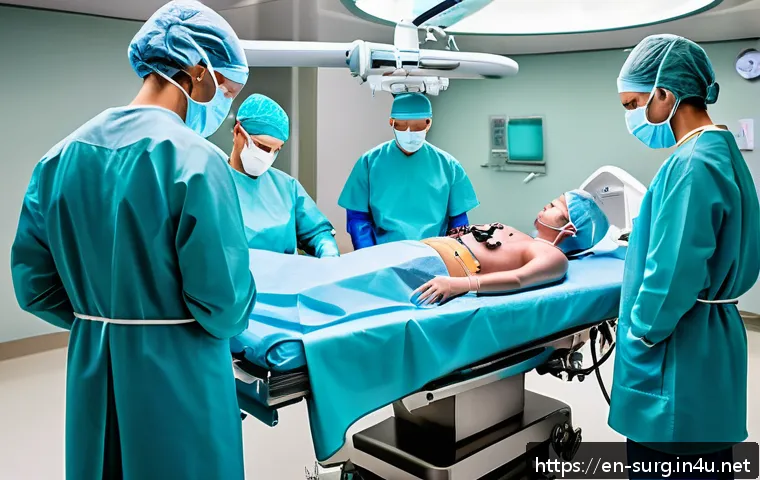
When it comes to thyroid cancer, surgery remains the cornerstone of early treatment. The most common surgical options include lobectomy, where only one lobe of the thyroid is removed, and total thyroidectomy, which involves removing the entire gland.
The choice between these depends largely on tumor size, location, and the extent of spread. For smaller, localized tumors, lobectomy may be sufficient, preserving some thyroid function and reducing the need for lifelong hormone replacement.
However, for larger or multifocal cancers, total thyroidectomy is often recommended to minimize recurrence risk. I remember a patient who opted for lobectomy and experienced minimal disruption in daily life, highlighting the personalized nature of surgical decisions.
Risks and Recovery
Surgery, while generally safe, does carry risks such as damage to the recurrent laryngeal nerve, which can affect voice, and potential hypoparathyroidism leading to calcium imbalance.
Recovery usually spans a few weeks, with most patients returning to normal activities fairly quickly. Surgeons today employ nerve monitoring techniques that have drastically reduced complications.
From my experience, clear preoperative counseling on these risks helps patients feel more at ease. Postoperative care includes monitoring calcium levels and starting thyroid hormone replacement if needed, especially after total thyroidectomy.
Long-Term Impact of Surgical Choices
Choosing the right surgical approach not only affects immediate outcomes but also long-term quality of life. Preserving thyroid tissue when possible can lessen dependence on medication and reduce side effects.
On the other hand, a more extensive surgery might provide peace of mind by lowering recurrence risk. I’ve seen patients who initially hesitated about total thyroidectomy but later appreciated the thoroughness of the approach when their follow-up scans remained clear.
Discussing these nuances with your surgeon is crucial to align treatment with your lifestyle and preferences.
Radioactive Iodine Therapy: When and Why It’s Used
Mechanism of Action
Radioactive iodine (RAI) therapy leverages the thyroid gland’s natural ability to absorb iodine. After surgery, residual thyroid cells or microscopic cancer cells may remain, and RAI targets these by delivering radiation directly to them.
This selective uptake spares most other tissues, making it a highly targeted treatment. I recall a case where RAI was pivotal in eradicating hidden cancer cells that were undetectable by imaging, underscoring its value in comprehensive care.
Indications for RAI
Not every thyroid cancer patient needs RAI. It’s typically reserved for those with intermediate to high-risk tumors, extensive local invasion, or distant metastases.
The decision depends on factors such as tumor size, lymph node involvement, and specific histological features. Recent guidelines emphasize a more tailored approach, avoiding overtreatment in low-risk cases.
This nuanced decision-making process often involves multidisciplinary teams to ensure the best balance between benefits and side effects.
Side Effects and Management
While generally well-tolerated, RAI therapy can cause side effects including dry mouth, altered taste, and temporary neck tenderness. Long-term risks like secondary malignancies are rare but warrant discussion.
Patients are advised to follow specific safety measures post-therapy to minimize radiation exposure to others. From personal observation, thorough patient education before and after RAI reduces anxiety and improves adherence to safety guidelines.
Thyroid Hormone Therapy: Beyond Replacement
Suppressive Therapy Explained
After thyroid removal, hormone replacement with levothyroxine is standard to maintain normal metabolism. In thyroid cancer cases, hormone therapy often serves a dual purpose: replacing natural hormones and suppressing thyroid-stimulating hormone (TSH) to reduce cancer cell growth stimulation.
This suppressive therapy is carefully calibrated to avoid symptoms of hyperthyroidism, such as palpitations or bone loss. I’ve noticed that patients who understand the rationale behind this therapy are more consistent with their medication, leading to better outcomes.
Monitoring and Dose Adjustments
Regular blood tests to measure TSH and free T4 levels guide dose adjustments. Factors like age, cardiac health, and cancer risk influence target TSH levels.
For example, younger patients with aggressive cancer may have lower TSH targets than older patients with comorbidities. My experience suggests that personalized monitoring schedules help catch imbalances early, preventing complications and ensuring optimal therapy effectiveness.
Potential Challenges and Solutions
Some patients struggle with symptom management or medication absorption issues due to interactions with other drugs or gastrointestinal conditions. Educating patients on timing and consistency when taking levothyroxine can mitigate these problems.
Additionally, I often encourage patients to communicate openly about side effects so we can adjust doses or explore alternative formulations as needed.
Emerging Minimally Invasive Techniques in Treatment
Ultrasound-Guided Ablation
In select cases, minimally invasive options like ultrasound-guided radiofrequency or laser ablation offer promising alternatives to surgery. These techniques use heat to destroy cancerous tissue without removing the thyroid gland.
They’re particularly appealing for small, localized nodules or patients unfit for surgery. I’ve observed that patients appreciate these options as they often result in less pain, quicker recovery, and preservation of thyroid function.
Patient Selection Criteria
Not all thyroid cancers are suitable for ablation. Careful imaging and biopsy confirmation are essential to ensure the tumor is confined and lacks aggressive features.
Multidisciplinary evaluation is critical to weigh risks and benefits. From clinical discussions, it’s clear that patient preference and overall health play major roles in deciding this approach.

Long-Term Outcomes and Research
While still relatively new, early studies show favorable tumor control rates with ablation, though long-term data is evolving. Ongoing trials aim to compare these techniques directly with conventional surgery.
I find it encouraging that innovation continues to expand treatment options, offering hope for less invasive yet effective care.
Personalized Treatment Planning: The Key to Success
Risk Stratification Models
Modern thyroid cancer management increasingly relies on risk stratification tools that incorporate tumor characteristics, molecular markers, and patient factors.
These models help predict recurrence risk and guide the intensity of treatment and follow-up. I’ve seen firsthand how applying these frameworks can prevent overtreatment while maintaining vigilance for aggressive disease.
Multidisciplinary Collaboration
Effective treatment planning involves endocrinologists, surgeons, nuclear medicine specialists, radiologists, and pathologists working together. This team approach ensures that all aspects of the disease and patient needs are considered.
In my practice, multidisciplinary tumor boards have been invaluable for crafting personalized, evidence-based plans that patients feel confident about.
Patient Engagement and Shared Decision-Making
Empowering patients through education and involving them in decisions leads to better satisfaction and adherence. Discussing potential benefits, risks, and lifestyle impacts openly helps patients weigh their options realistically.
I always encourage questions and provide resources tailored to individual learning styles, which helps reduce fear and builds trust.
Summary Table: Early Thyroid Cancer Treatment Modalities
| Treatment | Indication | Main Benefits | Potential Risks | Typical Recovery |
|---|---|---|---|---|
| Surgery (Lobectomy or Total Thyroidectomy) | Localized tumor; tumor size & spread | Definitive tumor removal; potential cure | Voice changes, hypoparathyroidism, bleeding | 2-4 weeks for full recovery |
| Radioactive Iodine Therapy | Intermediate/high-risk tumors; residual disease | Targets residual cancer cells; reduces recurrence | Dry mouth, taste changes, rare secondary cancers | 1-2 weeks isolation; mild side effects |
| Thyroid Hormone Therapy | Post-surgical hormone replacement & TSH suppression | Maintains metabolism; reduces cancer stimulation | Hyperthyroid symptoms if overdosed | Ongoing, lifelong treatment |
| Minimally Invasive Ablation | Small, localized tumors; surgical contraindications | Less invasive; quicker recovery; preserves thyroid | Limited long-term data; potential incomplete ablation | Few days to 1 week |
Follow-Up and Surveillance Strategies
Importance of Regular Monitoring
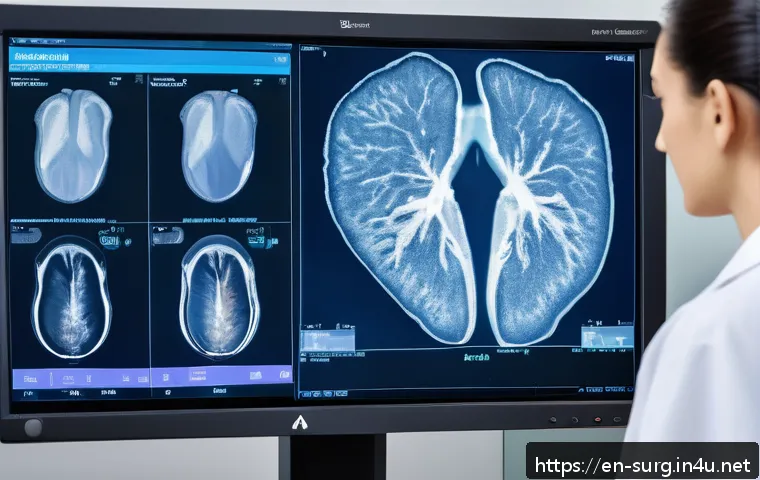
After initial treatment, vigilant follow-up is crucial to detect recurrence early and manage hormone levels. This typically involves periodic ultrasound imaging and serum thyroglobulin testing, which acts as a tumor marker.
From my clinical experience, establishing a reliable follow-up schedule helps patients stay proactive and less anxious about their health status.
Adjusting Surveillance Based on Risk
Low-risk patients might require less frequent monitoring, while those with aggressive disease need closer scrutiny. Tailoring surveillance intensity helps balance thoroughness with quality of life.
Patients often appreciate knowing their personalized plan rather than a one-size-fits-all approach.
Managing Recurrences and Secondary Treatments
If recurrence is detected, treatment options may include repeat surgery, additional RAI, or emerging systemic therapies. Early detection increases the likelihood of successful intervention.
I’ve seen patients regain confidence and hope when recurrence was caught early and managed effectively, reinforcing the value of diligent follow-up.
Conclusion
Thyroid cancer treatment offers a range of effective options tailored to individual patient needs. From surgery to hormone therapy and emerging minimally invasive techniques, each approach carries its own benefits and considerations. Engaging with your healthcare team to understand these choices ensures a personalized plan that supports both health and quality of life.
Helpful Information to Keep in Mind
1. Early detection and accurate diagnosis are crucial for successful thyroid cancer management.
2. Surgical options vary depending on tumor size and spread, influencing recovery and long-term outcomes.
3. Radioactive iodine therapy is selectively used based on risk factors and tumor characteristics.
4. Thyroid hormone therapy not only replaces hormones but also helps suppress cancer growth.
5. Regular follow-up and surveillance are essential to monitor for recurrence and adjust treatment as needed.
Key Takeaways
Effective thyroid cancer care relies on personalized treatment planning that balances risks and benefits. Collaboration among specialists and active patient involvement improve decision-making and satisfaction. While surgery remains a cornerstone, newer minimally invasive methods are expanding options. Consistent monitoring post-treatment is vital to catch any changes early and maintain long-term health.
Frequently Asked Questions (FAQ) 📖
Q: What are the most common early treatment options for thyroid cancer?
A: The primary early treatment for thyroid cancer typically involves surgery, most often a thyroidectomy to remove part or all of the thyroid gland. Depending on the cancer type and stage, radioactive iodine therapy may follow to target any remaining cancer cells.
Additionally, thyroid hormone therapy is used to suppress TSH (thyroid-stimulating hormone) and reduce the chance of cancer recurrence. From my experience and discussions with endocrinologists, early intervention with these treatments generally leads to excellent outcomes, especially when detected at an early stage.
Q: How important is early detection in improving thyroid cancer prognosis?
A: Early detection is absolutely crucial. Thyroid cancer is often slow-growing, but catching it early dramatically increases the chances of successful treatment and long-term survival.
When diagnosed early, less aggressive treatments can be effective, reducing complications and improving quality of life. I’ve seen patients who found small nodules during routine check-ups and, after prompt evaluation and treatment, had a very positive prognosis.
This highlights why regular medical check-ups and awareness of symptoms like neck lumps or voice changes matter so much.
Q: What lifestyle changes or follow-up care should patients expect after thyroid cancer treatment?
A: After treatment, patients usually need lifelong monitoring, including regular blood tests to check thyroid hormone levels and imaging scans to catch any recurrence early.
From what I’ve learned and witnessed, maintaining a healthy lifestyle—balanced diet, regular exercise, and avoiding smoking—supports overall well-being and recovery.
Some patients also find that managing stress through mindfulness or counseling helps them cope emotionally. Staying connected with your healthcare team and following their tailored advice is key to long-term health after thyroid cancer.