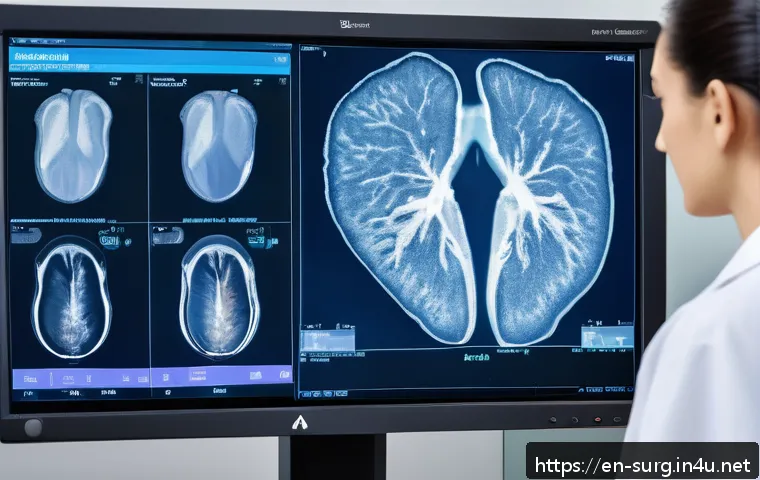
Sometimes, recognizing the signs of a surgical condition early can make all the difference in treatment outcomes. Whether it’s persistent pain, unusual swelling, or sudden changes in your body, knowing when to seek professional help is crucial.
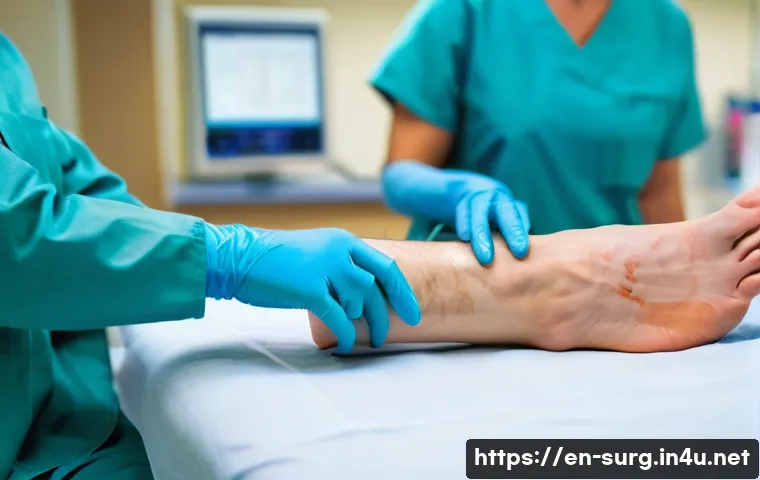
Many people overlook symptoms, attributing them to minor issues, which can lead to complications later on. Taking a moment to understand the basics of self-assessment empowers you to act swiftly and confidently.
Let’s explore how you can identify potential surgical problems before they escalate—I’ll guide you through it step by step!
Understanding Unusual Pain Patterns
When Pain Signals Trouble
Pain is often the body’s first alarm bell, but not all pain is created equal. If you notice pain that intensifies over time or doesn’t improve with rest and over-the-counter medication, it’s a red flag worth paying attention to.
For example, a sharp, stabbing sensation in the abdomen that worsens over a few hours may suggest appendicitis or another surgical emergency. On the other hand, dull, persistent pain that gradually increases could signal an underlying issue like an infection or a mass pressing on nerves.
From personal experience, I’ve learned that trusting your gut feeling about pain’s severity can save crucial time before complications arise.
Recognizing Pain that Requires Immediate Attention
Certain pain characteristics demand urgent medical evaluation: sudden onset, severe intensity, and association with other symptoms like fever, vomiting, or changes in bowel habits.
For instance, chest pain accompanied by shortness of breath or sweating might indicate something serious, such as a surgical cardiac condition or even a pulmonary embolism.
Likewise, intense pain coupled with swelling or discoloration in a limb might point toward vascular emergencies. It’s important to remember that early consultation can drastically improve treatment success rates.
Distinguishing Normal Aches from Surgical Concerns
Not all aches warrant a hospital visit, so distinguishing common muscle strain or minor injuries from surgical problems is key. If the discomfort follows a clear cause like exercise and improves steadily, it’s probably benign.
However, if the pain is disproportionate to the injury or accompanied by persistent swelling, redness, or numbness, it’s time to seek help. I’ve found that monitoring the pain’s progression daily and noting any new symptoms helps decide when to escalate care.
Identifying Abnormal Swelling and Its Implications
When Swelling Signals Something Serious
Swelling can be more than just a minor nuisance; it often indicates inflammation, infection, or fluid accumulation that might require surgery. For example, swelling around a joint accompanied by redness, warmth, and limited movement could be a sign of septic arthritis, demanding prompt intervention.
In my experience, swelling that rapidly increases or becomes painful often points to an underlying surgical condition rather than a simple injury.
Spotting Dangerous Changes in Skin and Texture
Changes in the skin’s appearance over swollen areas—such as shiny, stretched skin, discoloration, or blisters—are warning signs. These changes may indicate compartment syndrome, where pressure builds up in muscle compartments, cutting off blood flow and necessitating emergency surgery.
Noticing these subtle signs early can make a life-changing difference.
When to Consult About Persistent or Recurrent Swelling
Swelling that comes and goes or persists for weeks should never be ignored. Chronic swelling might be linked to lymphatic obstruction, tumors, or vascular disorders.
I’ve seen cases where patients dismissed recurring swelling, only to discover it was related to something requiring surgical removal. Timely evaluation helps prevent progression and complications.
Monitoring Sudden Physical Changes
Unexplained Lumps and Masses
Discovering a new lump anywhere on your body can be alarming. While many lumps are benign, some can represent hernias, abscesses, or tumors requiring surgical management.
The key is to note the lump’s size, consistency, mobility, and whether it’s painful. Personally, I recommend scheduling a prompt medical assessment if a lump grows quickly or feels hard and fixed.
Changes in Bowel or Urinary Habits
Sudden shifts in bowel movements or urinary function, like persistent constipation, blood in stool, or difficulty urinating, can hint at surgical conditions involving the digestive or urinary systems.
These symptoms often sneak under the radar but should never be ignored. I’ve encountered people hesitant to speak up about these issues, yet early diagnosis can prevent serious complications.
Unexpected Weight Loss or Fatigue
When rapid weight loss or overwhelming fatigue appears without explanation, it might be linked to internal conditions such as cancers or chronic infections that require surgical intervention.
From my observations, these symptoms often accompany other subtle signs and warrant comprehensive evaluation.
Recognizing Signs of Infection That Need Surgical Care
Fever Combined with Localized Symptoms
A fever paired with localized pain, redness, or swelling often indicates an infection that could escalate to abscess formation or systemic illness. For example, a red, warm, and tender area on the skin with fever might need drainage or surgical cleaning.
In my experience, ignoring these signs can lead to sepsis, which is life-threatening.
Worsening Wounds or Sores
If a wound is not healing, shows increased discharge, or develops a foul odor, it suggests infection or tissue death. These situations may require surgical debridement to remove dead tissue and promote healing.

I’ve seen cases where early surgical intervention prevented limb loss.
Systemic Symptoms Pointing to Serious Infection
Symptoms like chills, rapid heartbeat, or confusion alongside localized signs suggest a spreading infection. These systemic signs are emergencies and demand immediate evaluation.
Recognizing this early is critical and can be lifesaving.
Assessing Digestive and Abdominal Red Flags
Persistent Nausea and Vomiting
While occasional nausea is common, persistent vomiting can cause dehydration and indicate serious surgical problems like bowel obstruction or gallbladder disease.
From personal experience, persistent vomiting accompanied by severe abdominal pain is a clear call for urgent care.
Abdominal Distension and Tenderness
Noticeable swelling of the abdomen along with tenderness on touch may signal fluid buildup, infection, or organ inflammation. I’ve learned that these signs, especially when paired with changes in bowel habits, should never be overlooked.
Blood in Stool or Vomit
The presence of blood is always concerning, whether it’s in stool or vomit. It may indicate ulcers, tumors, or bleeding from internal organs, often requiring surgical evaluation.
Early recognition and intervention can prevent life-threatening complications.
When to Watch for Respiratory and Cardiovascular Red Flags
Sudden Shortness of Breath or Chest Pain
Symptoms like acute breathlessness or chest pain may signal life-threatening surgical emergencies such as aortic dissection or pulmonary embolism. In my experience, these signs demand immediate emergency response.
Swelling and Pain in Limbs
Painful swelling in a leg or arm could indicate deep vein thrombosis, which might require surgical treatment to prevent dangerous clots. Recognizing this early and seeking prompt care is crucial.
Changes in Skin Color or Temperature
Blue or pale skin, cold extremities, or rapid color changes may suggest compromised blood flow. These signs often accompany vascular emergencies and require urgent surgical evaluation.
Summary Table of Common Surgical Warning Signs
| Symptom | Possible Surgical Concern | When to Seek Help |
|---|---|---|
| Intense, worsening pain | Appendicitis, abscess, obstruction | Within hours of onset, especially if accompanied by fever |
| Rapidly increasing swelling | Compartment syndrome, infection | Immediately, if swelling is painful or skin changes |
| New lump or mass | Hernia, tumor, abscess | If growing, hard, or painful within days |
| Fever with localized redness | Infection, abscess | Urgently, especially with systemic symptoms |
| Persistent vomiting or nausea | Bowel obstruction, gallbladder issues | Within 24 hours if vomiting persists |
| Blood in stool or vomit | Ulcer, tumor, bleeding organ | Prompt medical evaluation |
| Sudden chest pain and breathlessness | Cardiac or vascular emergency | Immediate emergency care |
| Swelling and pain in limbs | Deep vein thrombosis | Urgent, to prevent complications |
Closing Thoughts
Understanding unusual pain and physical changes is vital for timely medical care. Listening to your body and recognizing warning signs can make a significant difference in outcomes. Don’t hesitate to seek professional advice if symptoms worsen or persist. Early action often leads to better recovery and peace of mind.
Useful Information to Remember
1. Intense or worsening pain that doesn’t improve with rest should be evaluated promptly.
2. Rapid swelling, especially with skin changes or severe discomfort, requires immediate attention.
3. New lumps or masses that grow quickly or feel hard need medical assessment without delay.
4. Fever combined with redness or localized pain may indicate infection needing surgical care.
5. Sudden changes in bowel, urinary habits, or unexplained weight loss warrant timely investigation.
Key Takeaways
Recognizing the difference between common aches and serious conditions can prevent complications. Persistent or worsening symptoms like pain, swelling, or systemic signs should never be ignored. Early consultation with healthcare professionals enhances treatment success and safety. Trust your instincts, and always prioritize your health by seeking help when something feels off.
Frequently Asked Questions (FAQ) 📖
Q: What are the most common early signs that indicate a potential surgical condition?
A: Early signs often include persistent or worsening pain that doesn’t improve with rest or medication, unusual swelling or lumps, sudden changes like unexplained bleeding, fever combined with localized pain, or difficulty performing normal bodily functions.
For example, if you notice a hard lump that grows or becomes tender over a few days, it’s a strong signal to get it checked. Trusting your instincts and not dismissing these symptoms as minor is key to catching problems before they worsen.
Q: How can I differentiate between normal discomfort and symptoms that require immediate medical attention?
A: It’s natural to experience occasional aches or minor discomfort, but when pain is severe, sudden, or accompanied by other symptoms like fever, vomiting, dizziness, or changes in skin color, it’s time to seek medical help.
For instance, a sharp abdominal pain that comes on suddenly and intensifies, especially if paired with nausea, shouldn’t be ignored. When in doubt, err on the side of caution and consult a healthcare professional—you know your body best.
Q: What should I do if I suspect I have a surgical issue but am unsure about the severity?
A: Start by monitoring your symptoms closely—note any changes in intensity, duration, or additional signs like fever or swelling. Avoid self-medicating without guidance.
Reach out to your primary care doctor or visit an urgent care center where professionals can evaluate your condition through a physical exam and possibly imaging tests.
Early intervention often leads to better outcomes, so don’t hesitate to get assessed. I’ve found that prompt medical advice can prevent minor issues from turning into emergencies.