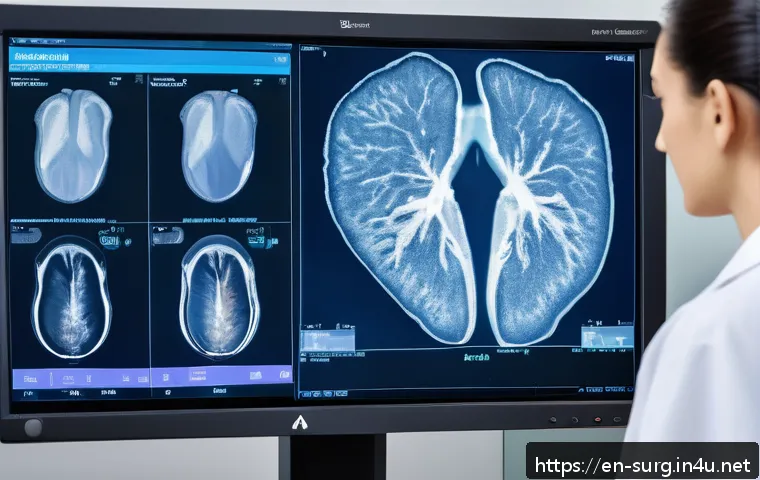
Navigating the world of gastrointestinal surgeries can feel overwhelming, especially with so many procedures available today. Whether you’re facing surgery yourself or simply curious about what these operations involve, understanding the most common types can ease anxiety and empower you with knowledge.

Recent advances in minimally invasive techniques have transformed recovery experiences, making it a hot topic in medical news. In this post, we’ll break down the key gastrointestinal surgeries and what you can realistically expect before, during, and after each procedure.
Stick around to get insights that might just make a difference if you or a loved one is preparing for surgery.
Understanding the Scope of Digestive Tract Surgeries
What Areas Are Typically Treated?
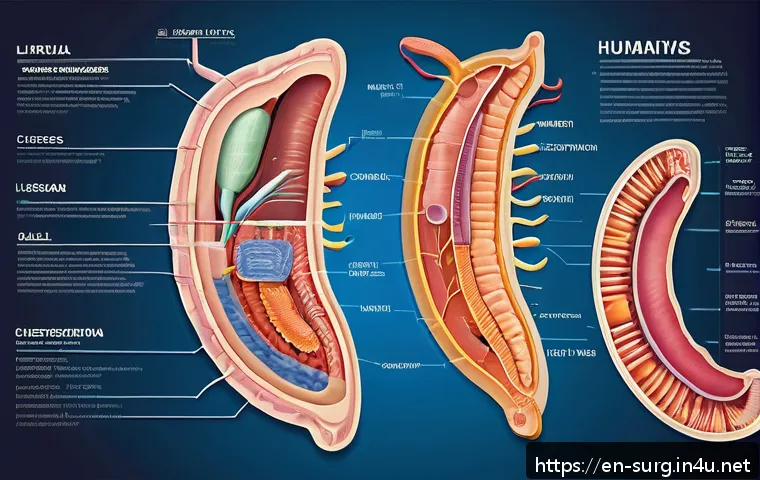
The digestive tract is an intricate system that includes the esophagus, stomach, small and large intestines, liver, pancreas, and gallbladder. Surgeries often target specific sections depending on the condition—whether it’s removing a tumor, repairing damage, or alleviating blockages.
For example, a procedure on the stomach might be vastly different from one involving the colon, both in technique and recovery. Knowing which organ or section is affected helps set realistic expectations about the surgery’s complexity and potential outcomes.
When I first looked into these surgeries for a family member, understanding the anatomy was a game changer in grasping what was truly involved.
Common Conditions Leading to Surgery
Conditions like gallstones, appendicitis, inflammatory bowel disease, and certain cancers frequently necessitate gastrointestinal surgeries. Some diseases progress silently until symptoms demand immediate attention, while others are caught early through screenings.
Interestingly, many patients I’ve spoken with were surprised how lifestyle and diet sometimes play a role in both the development and recovery from these issues.
This connection often motivates people to embrace healthier habits post-surgery, which makes the whole experience more than just a medical intervention but a turning point for well-being.
How Surgeons Decide on the Procedure Type
Surgeons weigh multiple factors before recommending a specific operation: the patient’s age, overall health, disease stage, and even personal preferences matter.
Minimally invasive techniques like laparoscopy have become the gold standard for many procedures, reducing hospital stays and pain. However, certain cases still require open surgery due to the complexity or emergency nature.
I recall a patient whose surgery plan shifted last minute because imaging revealed unexpected complications—highlighting how flexible and responsive surgical planning must be.
Modern Techniques Transforming Recovery Experiences
The Rise of Minimally Invasive Surgeries
Minimally invasive surgery (MIS) uses small incisions and specialized instruments, often guided by cameras. This approach dramatically cuts down on pain, scarring, and infection risk.
From personal conversations with patients, the difference in recovery speed is astounding—some are back on their feet within days, compared to weeks with traditional surgery.
It’s not just about convenience; MIS can also reduce the emotional toll of surgery, as smaller wounds often mean less anxiety about physical appearance and discomfort.
Robotics and Enhanced Precision
Robotic-assisted surgery has pushed the boundaries even further by allowing surgeons to operate with enhanced dexterity and control. This technology is especially beneficial in tight or delicate areas of the digestive system.
I’ve seen reports where robotic procedures led to fewer complications and better preservation of surrounding tissues. While not universally available yet, it’s a growing trend that promises to redefine surgical standards in the coming years.
What This Means for Postoperative Care
With these advanced techniques, postoperative care has shifted toward faster mobilization and earlier return to normal activities. Hospitals now emphasize pain management protocols that minimize opioid use, relying more on non-narcotic options.
Patients I know often mention feeling more empowered during recovery because they experience less discomfort and shorter hospital stays. Still, it’s crucial to follow personalized rehabilitation plans closely to ensure the best outcomes.
Digestive Surgeries and Their Unique Challenges
Complexities of Bowel Surgeries
Surgery involving the intestines can be particularly tricky because of the organ’s length, blood supply, and risk of infection. Procedures like resection or anastomosis require reconnecting healthy segments, which demands precision to prevent leaks or blockages.
I remember a case where meticulous surgical technique made all the difference in preventing complications that could have led to prolonged hospitalization.
Addressing Liver and Pancreatic Disorders
Operations on the liver or pancreas carry inherent risks due to these organs’ vital functions and their proximity to major blood vessels. Conditions such as tumors or chronic pancreatitis often require partial removal or drainage procedures.
Patients undergoing these surgeries typically need comprehensive preoperative assessments and close monitoring afterward, as I witnessed firsthand during a relative’s treatment journey.
Gallbladder Removal and Its Aftermath
Cholecystectomy, the removal of the gallbladder, is one of the most common gastrointestinal surgeries. It’s often performed laparoscopically with quick recovery times.
However, some people experience digestive changes post-surgery, like altered fat digestion. Sharing experiences from others, I’ve found that while most adjust well, understanding these potential shifts helps set realistic expectations.
What to Expect Before Surgery
Preoperative Evaluations and Preparation
Before any gastrointestinal surgery, patients undergo thorough evaluations including blood tests, imaging, and sometimes endoscopy. This helps the surgical team tailor the procedure and anticipate challenges.
Preparing mentally and physically can also influence recovery; I’ve advised people to focus on nutrition and quitting smoking beforehand, as these factors significantly impact healing.
Discussing Risks and Informed Consent
Surgeons provide detailed information about potential risks and benefits, ensuring patients make informed decisions. From my experience, patients who ask questions and clarify doubts tend to feel more confident going into surgery.
It’s essential to communicate openly about any concerns, no matter how small they seem.
Logistics and Emotional Readiness
Arranging transportation, post-surgery care, and time off work are practical aspects that shouldn’t be overlooked. Emotionally, preparing for surgery can be stressful, but support from family or counseling can ease anxiety.
I’ve found that those who acknowledge their fears and seek support often bounce back faster.
Inside the Operating Room: What Happens During Surgery
Step-by-Step Surgical Process
While every surgery varies, common stages include anesthesia administration, incision, targeted procedure, and closure. Surgeons often use imaging or endoscopic guidance to enhance precision.
I recall being amazed at how coordinated the surgical team is, each member playing a critical role to ensure success and safety.
Duration and Anesthesia Considerations
Surgery length depends on complexity; some procedures take under an hour, while others may last several hours. Anesthesia is carefully managed throughout, with anesthesiologists monitoring vital signs continuously.
Knowing this helped me reassure a nervous friend who feared the unknown aspects of anesthesia.
Potential Intraoperative Challenges
Unexpected findings or complications can arise, requiring real-time adjustments. Surgeons must be ready to switch strategies to maintain patient safety.
I’ve heard from professionals that this adaptability is a hallmark of skilled surgeons and often dictates the outcome.
Healing and Life After Gastrointestinal Surgery
Typical Recovery Timelines
Recovery varies widely depending on the procedure and individual health. For minimally invasive surgeries, hospital stays might be 1-3 days, while open surgeries can require longer.
Patients I’ve known often report fatigue and appetite changes initially but gradually regain strength over weeks to months.
Dietary Changes and Lifestyle Adaptations
Post-surgery diets often start with liquids and progress to solids gradually. Some procedures necessitate permanent dietary modifications to aid digestion or prevent complications.
Sharing stories from people who underwent these changes, I learned how important it is to have realistic expectations and patience during this phase.
Monitoring for Complications and Follow-Up Care
Regular follow-ups help detect issues like infections, strictures, or nutritional deficiencies early. I’ve seen how proactive monitoring and open communication with healthcare providers can prevent minor problems from becoming major setbacks.
Comparing Common Gastrointestinal Surgeries at a Glance
| Procedure | Typical Indications | Approach | Average Hospital Stay | Recovery Highlights |
|---|---|---|---|---|
| Cholecystectomy (Gallbladder Removal) | Gallstones, Cholecystitis | Laparoscopic / Open | 1-2 days (laparoscopic), 4-5 days (open) | Quick return to normal diet, possible mild digestive changes |
| Colectomy (Colon Removal) | Colon Cancer, IBD | Laparoscopic / Open | 3-7 days | Gradual diet progression, monitoring for bowel function |
| Gastrectomy (Stomach Removal) | Stomach Cancer, Severe Ulcers | Open / Laparoscopic | 5-10 days | Dietary adjustments, vitamin supplementation often needed |
| Appendectomy (Appendix Removal) | Appendicitis | Laparoscopic / Open | Same day to 2 days | Rapid recovery, usually no long-term dietary changes |
| Pancreatectomy (Pancreas Removal) | Pancreatic Tumors, Chronic Pancreatitis | Open / Laparoscopic / Robotic | 7-14 days | Complex recovery, enzyme replacement therapy common |
In Closing
Digestive tract surgeries encompass a wide range of procedures tailored to individual needs and conditions. Advances in minimally invasive and robotic techniques have significantly improved recovery experiences and outcomes. Understanding what to expect before, during, and after surgery empowers patients to navigate their health journey with confidence. Staying informed and proactive makes all the difference in achieving the best possible results.
Helpful Information to Keep in Mind
1. Preoperative preparation, including nutrition and quitting smoking, can greatly influence healing and recovery speed.
2. Minimally invasive surgeries often lead to shorter hospital stays and less postoperative discomfort compared to traditional open surgeries.
3. Open communication with your surgical team about risks, expectations, and concerns helps build trust and eases anxiety.
4. Postoperative dietary changes vary depending on the surgery type and should be followed carefully to support healing.
5. Regular follow-up appointments are essential to detect and address any complications early for a smoother recovery.
Key Takeaways
Digestive surgeries require careful planning and individualized approaches, considering the patient’s health and the complexity of the condition. Modern surgical techniques enhance precision and reduce trauma, leading to faster recoveries. Patient education and emotional readiness play a crucial role in overall outcomes. Lastly, ongoing monitoring and lifestyle adjustments after surgery ensure long-term well-being and minimize risks of complications.
Frequently Asked Questions (FAQ) 📖
Q: uestions about Gastrointestinal SurgeriesQ1: What are the most common types of gastrointestinal surgeries, and how do they differ?
A: The most common gastrointestinal surgeries include appendectomy (removal of the appendix), cholecystectomy (gallbladder removal), colectomy (partial or total removal of the colon), and bariatric surgeries like gastric bypass or sleeve gastrectomy for weight loss.
Each procedure targets a specific organ or issue—appendectomy treats appendicitis, while cholecystectomy addresses gallstones or inflammation. Colectomy is often performed for conditions like colon cancer or inflammatory bowel disease.
Bariatric surgeries are designed to reduce stomach size and help with obesity-related health problems. The approaches can vary from traditional open surgery to minimally invasive laparoscopic techniques, which often mean smaller incisions, less pain, and quicker recovery.
Q: What should I expect in terms of recovery after a minimally invasive gastrointestinal surgery?
A: Recovery after minimally invasive gastrointestinal surgery tends to be smoother and faster compared to open surgery. Patients usually experience less postoperative pain, smaller scars, and a shorter hospital stay.
For example, after a laparoscopic cholecystectomy, many people are back to normal activities within a week or two. However, recovery times can vary depending on the specific procedure and individual health.
It’s common to feel tired and have some digestive changes initially, but with proper care and follow-up, most people return to their usual routine fairly quickly.
My own experience with laparoscopic surgery showed me how important it is to follow post-op instructions closely—like gradually reintroducing food and avoiding heavy lifting—to avoid complications.
Q: How have recent advances in gastrointestinal surgery improved patient outcomes?
A: Recent advances, particularly in minimally invasive techniques such as laparoscopy and robotic-assisted surgery, have revolutionized gastrointestinal surgery.
These innovations reduce trauma to the body, leading to less pain, faster healing, and lower risk of infection. For patients, this means shorter hospital stays and quicker returns to daily life.
Additionally, enhanced imaging and precision tools allow surgeons to operate with greater accuracy, improving overall success rates. From what I’ve seen and heard from patients, these technologies have made a tangible difference—not just medically, but emotionally—because knowing recovery will likely be easier eases a lot of pre-surgery stress.