Recovering from gallstone surgery marks a crucial turning point in your health journey, and what you eat now can make all the difference. With more people seeking natural ways to prevent recurrence, understanding the right diet has never been more important.

I’ve noticed firsthand how certain foods can soothe digestion and support healing, while others might trigger discomfort or future stones. In this post, I’ll share practical tips and essential foods that helped me regain energy and avoid setbacks.
Whether you’re fresh out of surgery or looking to maintain long-term wellness, these insights will guide you toward a smoother recovery and a healthier lifestyle.
Let’s dive into the best dietary choices that promote healing and keep gallstones at bay.
Understanding Digestive-Friendly Foods Post-Surgery
Embracing Low-Fat, High-Fiber Choices
After gallstone surgery, your digestive system needs gentle support, and that’s where low-fat, high-fiber foods come in. Fat is notoriously hard to digest when your bile flow is adjusting, so cutting back on fatty meats, fried foods, and heavy dairy can ease your stomach.
Instead, I found that loading up on fruits, vegetables, and whole grains helped keep things moving smoothly. Fiber adds bulk to your stool and promotes regular bowel movements, which is essential to avoid constipation and discomfort during recovery.
Personally, incorporating oats and brown rice into my meals made a noticeable difference in how I felt throughout the day. It’s a slow process, but these choices prevent stress on your system and reduce the risk of further gallstone problems.
Hydration’s Role in Healing
Water often gets overlooked, but staying hydrated is a cornerstone of recovery. I learned that drinking plenty of water flushes toxins and supports liver function, which is crucial after gallbladder removal.
Sometimes, you might feel bloated or sluggish, and upping your water intake can alleviate those symptoms. Herbal teas like peppermint or ginger can also soothe digestion without the side effects of caffeine.
Make it a habit to carry a water bottle around; that small change helped me maintain energy and avoid any digestive slowdowns during the day.
Foods to Avoid for Comfort and Prevention
Not all foods are created equal when healing from gallstone surgery. I quickly realized that spicy dishes, greasy fast food, and heavy cream-based sauces could trigger cramping or nausea.
These foods tend to overstimulate your digestive tract or cause bile to work harder, which isn’t ideal when your body is still adjusting. Additionally, high-cholesterol foods like processed meats and full-fat dairy can increase the chances of stone recurrence.
Cutting these out wasn’t just about discomfort; it was about long-term health and feeling better day by day.
Meal Timing and Portion Control for Smooth Digestion
Smaller, Frequent Meals Over Large Plates
One of the biggest lessons I learned was that eating smaller portions more frequently works wonders after gallstone surgery. Large meals can overwhelm your digestive system, leading to bloating or pain.
Instead, dividing your daily intake into five or six small meals helps regulate bile flow and keeps your energy stable. This approach also reduces the load on your liver and intestines, giving your body time to process food efficiently.
It took a bit of planning, but prepping snacks like nuts or sliced veggies ahead made sticking to this routine much easier.
Listening to Your Body’s Signals
Post-surgery, tuning into how your body reacts to certain foods or meal timings is key. I kept a simple food diary to track what made me feel good or caused discomfort.
Sometimes, even healthy foods can cause issues if eaten too quickly or in excess. For example, I noticed that rushing through meals led to indigestion, so I started eating slowly and chewing thoroughly.
This small change reduced my post-meal bloating and helped me enjoy food more. Being mindful during meals became a daily habit that supported my healing.
Balancing Macronutrients to Support Recovery
Getting the right balance of proteins, carbohydrates, and fats is essential, but after gallstone surgery, the emphasis shifts slightly. Lean proteins such as chicken breast, fish, and legumes provide necessary building blocks for tissue repair without overwhelming your digestion.
Complex carbs like sweet potatoes and quinoa offer steady energy, while healthy fats from sources like avocados and olive oil are beneficial in moderation.
Overdoing fats can cause discomfort, but completely eliminating them isn’t necessary either. I found that tracking my intake and focusing on variety kept my meals satisfying and my recovery on track.
Incorporating Healing Herbs and Natural Supplements
Gentle Digestive Aids from Nature
Herbs like peppermint, ginger, and chamomile became my go-to remedies for calming my digestive system. Peppermint tea, in particular, relieved cramps and helped reduce nausea, while ginger was excellent for soothing inflammation.
These natural options worked better than any over-the-counter medicine I tried, without the side effects. I recommend trying these teas between meals to aid digestion and support your overall recovery.
Just remember to consult with your doctor before adding any supplements, as some may interact with medications.
Supplements That Support Liver and Digestive Health
Certain supplements can complement your diet by supporting liver function and bile production. Milk thistle is widely known for its liver-protective properties, and I felt more energetic after incorporating it into my routine.
Probiotics also deserve a mention since they restore gut flora balance, which can be disrupted after surgery or antibiotic use. I used a high-quality probiotic supplement, and it helped reduce bloating and promote regularity.
However, it’s important to source these from reputable brands and discuss them with your healthcare provider to ensure they fit your personal health needs.
What to Watch Out For with Supplements
Not all natural supplements are safe or effective post-surgery. Some can thin your blood, interfere with anesthesia, or cause allergic reactions. For example, high doses of vitamin E or garlic supplements might increase bleeding risk.
I learned this the hard way by researching thoroughly and always checking with my surgeon or nutritionist before starting anything new. Keeping a list of all supplements and medications you take can help your healthcare team avoid dangerous interactions and tailor advice to your recovery process.
Creating a Balanced Shopping List for Recovery Success
Staple Ingredients for Every Kitchen
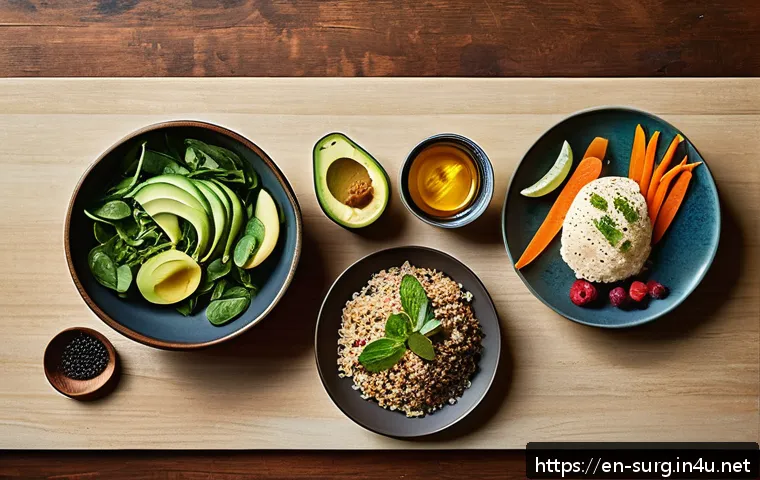
When I revamped my grocery shopping, I focused on stocking items that were easy to prepare and gentle on my digestion. Fresh produce like leafy greens, carrots, and apples became staples, along with whole grains such as oats and brown rice.
Lean proteins including skinless chicken and tofu were also front and center. Having these basics on hand made meal planning less stressful and helped me avoid the temptation of unhealthy convenience foods.
Fresh herbs and natural oils rounded out my list, ensuring flavor without excess fat or additives.
Smart Substitutions to Keep Meals Exciting
Avoiding rich sauces and fried foods doesn’t mean meals have to be bland. I experimented with substitutes like mashed avocado instead of mayo, or Greek yogurt in place of sour cream.
Using lemon juice, vinegar, and herbs added zest without upsetting my digestion. Even switching from white bread to whole grain or sprouted bread provided extra fiber and nutrients.
These small swaps kept my meals satisfying and made the transition to a gallstone-friendly diet feel manageable rather than restrictive.
Seasonal and Budget-Friendly Tips
Eating well after surgery doesn’t have to break the bank. Shopping seasonally for fruits and vegetables means fresher produce at lower prices. I also found farmer’s markets to be a great source of affordable, high-quality ingredients.
Buying in bulk for staples like beans and grains saved money and reduced trips to the store. Planning meals around weekly sales and using frozen veggies when fresh ones weren’t available kept costs down without compromising nutrition.
This approach not only supported my healing but also helped me build sustainable habits for long-term health.
Tracking Progress and Adjusting Your Diet Over Time
Recognizing Improvements and Setbacks

Recovery isn’t linear, and I quickly learned that some days felt better than others. Keeping track of my symptoms alongside what I ate helped me identify patterns.
For example, after introducing a new vegetable or spice, I noted if I experienced any bloating or discomfort. This ongoing self-monitoring allowed me to fine-tune my diet and avoid foods that didn’t agree with me.
Celebrating small victories like increased energy or less abdominal pain kept me motivated throughout the healing journey.
When to Reintroduce Restricted Foods
With time, many people can gradually reintroduce certain foods that were off-limits initially. For me, this meant testing small amounts of nuts or dairy months after surgery, paying close attention to any reactions.
Patience was key, as jumping back into old eating habits too quickly caused setbacks. I recommend proceeding slowly, maybe trying one new food every few days, and keeping a journal to track how you feel.
Consulting with a dietitian can also provide personalized guidance on timing and portion sizes.
Long-Term Dietary Strategies to Prevent Recurrence
Maintaining a gallstone-preventive diet doesn’t have to be complicated. The main goal is to keep fats moderate, fiber high, and hydration consistent. I found that regular exercise and stress management also played vital roles in my digestive health.
Over time, this holistic approach became second nature. Instead of focusing on restrictions, I shifted my mindset to nourishing my body with wholesome foods that support both healing and everyday wellbeing.
This balanced lifestyle is the best defense against future gallstone problems.
| Food Category | Recommended Foods | Foods to Avoid | Benefits |
|---|---|---|---|
| Fruits & Vegetables | Apples, berries, leafy greens, carrots, cucumbers | Fried or heavily sauced vegetables | High fiber, antioxidants, gentle on digestion |
| Proteins | Skinless chicken, fish, legumes, tofu | Processed meats, fatty cuts | Supports tissue repair, low fat |
| Grains | Brown rice, oats, quinoa, whole wheat bread | White bread, pastries | Complex carbs, sustained energy, fiber |
| Fats | Avocado, olive oil, nuts (in moderation) | Butter, cream, fried foods | Healthy fats aid absorption, inflammation control |
| Beverages | Water, herbal teas (peppermint, ginger) | Caffeinated, sugary drinks, alcohol | Hydration, digestion support |
Practical Cooking Tips to Enhance Digestive Comfort
Opting for Gentle Cooking Methods
I quickly realized that how I prepared food was just as important as what I ate. Baking, steaming, and boiling became my go-to methods because they preserve nutrients without adding excess fat or irritants.
For instance, steaming vegetables keeps their fiber intact while making them easier to digest. Avoiding deep frying or heavy browning reduced the risk of stomach upset.
This simple shift in cooking techniques helped me enjoy meals without the worry of triggering pain or bloating.
Flavoring Without Overload
Flavor can easily be sacrificed when trying to eat gently, but it doesn’t have to be that way. Using fresh herbs like basil, cilantro, and thyme added vibrant tastes without harsh spices.
I also discovered that lemon juice, garlic powder, and mild spices like turmeric added depth without causing irritation. These flavors made meals enjoyable and motivated me to stick to my new eating habits long term.
Batch Cooking and Meal Prep Strategies
During recovery, energy levels can fluctuate, so having ready-made meals is a huge time-saver. I started batch cooking soups, stews, and grain bowls that stored well in the fridge or freezer.
This way, I avoided fast food temptations and ensured I always had nutritious options on hand. Preparing ingredients in advance, like chopping veggies or cooking grains, also reduced mealtime stress and helped maintain portion control.
This practical approach was a game changer in keeping my diet consistent and balanced.
Managing Cravings and Emotional Eating Post-Surgery
Understanding the Emotional Impact of Dietary Changes
Changing your diet after surgery isn’t just physical—it’s emotional too. I often craved comfort foods, especially during stressful days, and struggled with feelings of deprivation.
Recognizing this emotional component helped me approach cravings with compassion instead of frustration. I reminded myself that these changes were temporary and part of a larger goal: better health and fewer complications.
This mindset shift made it easier to stay on track without feeling overwhelmed.
Healthy Alternatives to Satisfy Cravings
When cravings hit, I found swapping unhealthy snacks with nutritious alternatives kept me satisfied. For example, instead of reaching for chips, I’d enjoy air-popped popcorn or roasted chickpeas.
If I wanted something sweet, fresh fruit or a small portion of dark chocolate did the trick without causing digestive distress. Having these options ready prevented impulsive decisions and helped me maintain control over my diet.
Building a Support System
Going through recovery and dietary changes alone can be tough. I found joining online support groups and sharing experiences with others in similar situations invaluable.
Talking about struggles and successes normalized the process and provided practical tips I hadn’t considered. Friends and family who understood my goals also made a huge difference by encouraging healthy choices and respecting my needs.
This network became a key factor in staying motivated and positive during recovery.
Closing Thoughts
Recovering from gallstone surgery requires patience and mindful dietary choices. Embracing gentle, nutritious foods and paying attention to your body’s signals can make a significant difference in comfort and healing. With time and care, you’ll find a balanced approach that supports both recovery and long-term digestive health.
Helpful Tips to Remember
1. Prioritize low-fat, high-fiber foods like fruits, vegetables, and whole grains to ease digestion and prevent discomfort.
2. Stay well-hydrated throughout the day, using water and soothing herbal teas to support liver function and reduce bloating.
3. Avoid spicy, greasy, and high-cholesterol foods that may trigger symptoms or increase the risk of gallstone recurrence.
4. Opt for smaller, frequent meals and listen carefully to your body’s reactions to better manage digestion and energy levels.
5. Incorporate natural herbs and supplements cautiously, always consulting healthcare professionals to ensure safety and effectiveness.
Key Takeaways for a Smooth Recovery
Maintaining a gentle diet post-surgery is essential to support healing and prevent complications. Focus on nutrient-dense, easy-to-digest foods while avoiding irritants. Proper hydration, balanced macronutrients, and mindful eating habits play vital roles in recovery. Additionally, practical cooking methods and emotional support help sustain long-term dietary changes. Always consult with your healthcare provider before introducing new supplements or making significant diet adjustments to ensure your recovery progresses safely and effectively.
Frequently Asked Questions (FAQ) 📖
Q: uestions about Diet
A: fter Gallstone Surgery
Q: What foods should I avoid right after gallstone surgery to prevent discomfort?
A: Immediately following gallstone surgery, it’s best to steer clear of high-fat, greasy, and fried foods, as they can overload your digestive system and cause nausea or pain.
Spicy dishes and heavy dairy products might also irritate your stomach. Instead, focus on light, easy-to-digest meals like steamed vegetables, lean proteins, and whole grains.
From my own recovery experience, I found that easing into low-fat foods helped my digestion tremendously and minimized any postoperative discomfort.
Q: How soon can I reintroduce fats into my diet after surgery, and which types are safest?
A: Typically, small amounts of healthy fats can be reintroduced gradually within a few weeks after surgery, but it varies per individual. I started with sources like olive oil, avocado, and fatty fish, which are rich in omega-3s and tend to be gentler on digestion.
Avoid saturated and trans fats for a longer period since they can trigger symptoms or contribute to new stone formation. Listening to your body’s response is key—if you notice bloating or pain, slow down your fat intake and consult your doctor.
Q: What dietary habits can help prevent gallstone recurrence long term?
A: Maintaining a balanced diet rich in fiber, fruits, vegetables, and lean proteins is crucial to reduce the risk of gallstone recurrence. Regular meals without skipping help keep bile flowing properly.
From my personal journey, incorporating foods like oats, flaxseeds, and plenty of greens made a noticeable difference in my energy levels and digestive health.
Staying hydrated and avoiding crash diets also play a vital role because rapid weight loss can increase gallstone risk. Consistency and mindful eating are your best allies for lasting wellness.