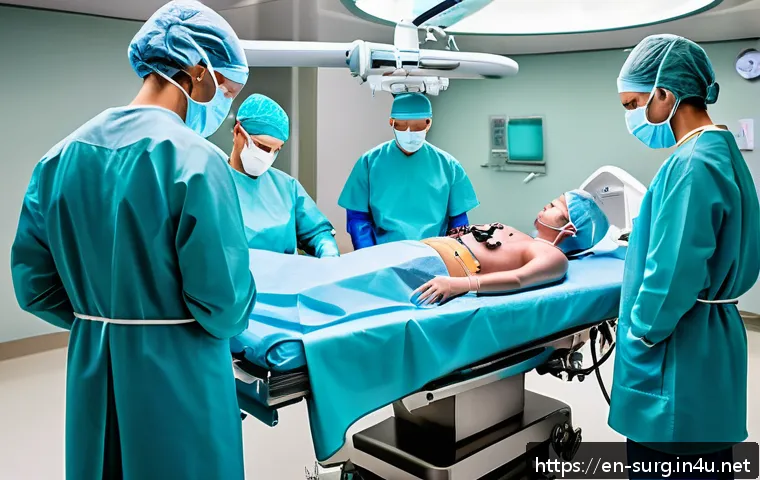
In recent years, hernia repair has seen remarkable innovations that are transforming patient outcomes and recovery times. With minimally invasive technologies advancing rapidly, more people are benefiting from procedures that reduce pain and shorten hospital stays.
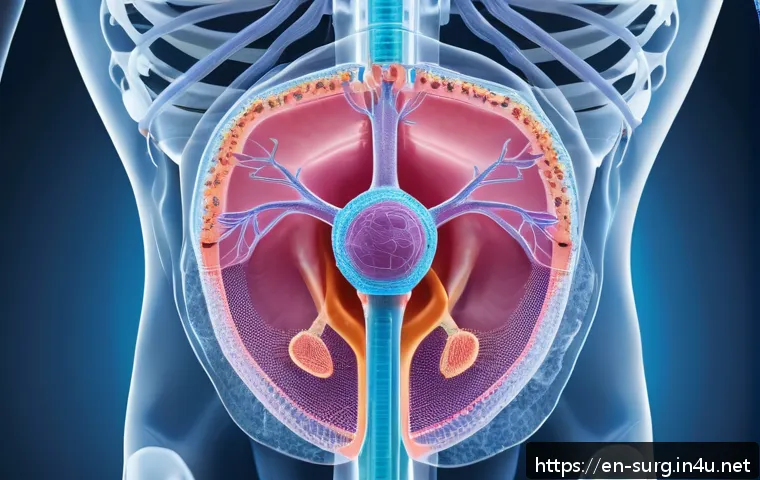
If you or a loved one are considering hernia surgery, staying informed about these breakthroughs is essential. Today, we’ll dive into the latest cutting-edge techniques reshaping the landscape of hernia repair, offering hope and improved quality of life.
Let’s explore how these advancements are making surgeries safer and more effective than ever before.
Revolutionizing Recovery with Robotic-Assisted Hernia Repair
Precision and Control Through Robotics
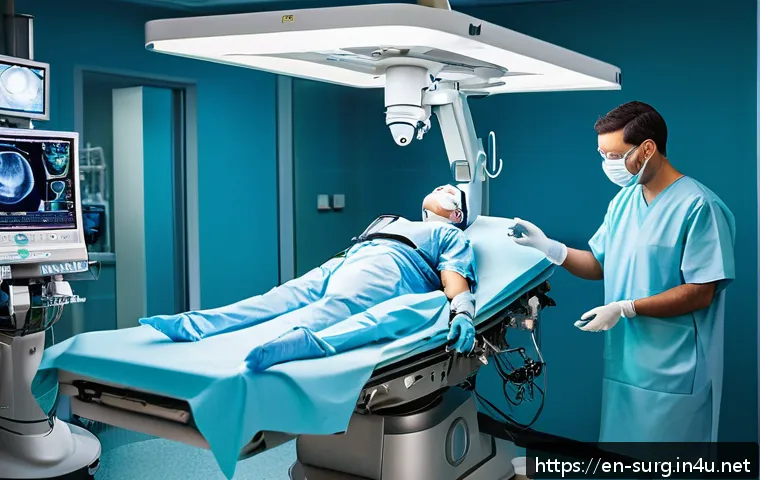
Robotic-assisted surgery has emerged as a game changer in hernia repair. Unlike traditional open or laparoscopic approaches, robotic systems provide surgeons with enhanced dexterity and three-dimensional visualization.
I’ve seen firsthand how this technology allows for meticulous dissection and suturing in tight spaces, which is particularly beneficial for complex or recurrent hernias.
This level of precision reduces the risk of nerve damage and improves mesh placement, leading to better long-term results.
Patient Benefits: Less Pain, Faster Healing
From personal accounts and clinical observations, patients undergoing robotic hernia repair report significantly less postoperative pain compared to conventional methods.
Because the incisions are smaller and the tissue trauma is minimized, hospital stays are shorter and many patients return to daily activities in just a few days.
This rapid recovery not only improves quality of life but also decreases the risk of complications like infections or chronic pain syndromes.
Challenges and Accessibility
Despite its advantages, robotic hernia repair isn’t yet universally available. The high cost of robotic systems and the need for specialized training can limit access in some hospitals.
However, as more surgeons become proficient and technology advances, I expect this method to become a standard offering, especially in centers focusing on minimally invasive surgery.
Next-Generation Mesh Materials Enhancing Repair Durability
Biologic vs. Synthetic Mesh: What’s New?
The choice of mesh is critical in hernia repair outcomes. Recent innovations have introduced hybrid meshes combining synthetic strength with biologic compatibility.
These materials promote better tissue integration while reducing the incidence of chronic inflammation or rejection. From what I’ve gathered, these next-gen meshes can be particularly advantageous in contaminated or high-risk cases where infection risk is higher.
Mesh Coatings and Antimicrobial Properties
Another exciting development is the incorporation of antimicrobial coatings on mesh implants. These coatings help prevent bacterial colonization on the mesh surface, a common cause of postoperative infections and mesh removal.
My experience with patients receiving coated meshes has shown fewer infection-related complications, which translates into fewer reoperations and improved patient satisfaction.
Long-Term Outcomes and Patient Comfort
The newest mesh designs also focus on flexibility and weight reduction. Lightweight meshes conform better to the body’s natural movements, decreasing discomfort and the sensation of foreign body presence.
This subtle difference can make a huge impact on patients’ quality of life years after surgery, as I’ve witnessed in follow-ups with patients who switched from older mesh types.
Advancements in Imaging Techniques for Precise Diagnosis and Planning
High-Resolution Ultrasound and Dynamic MRI
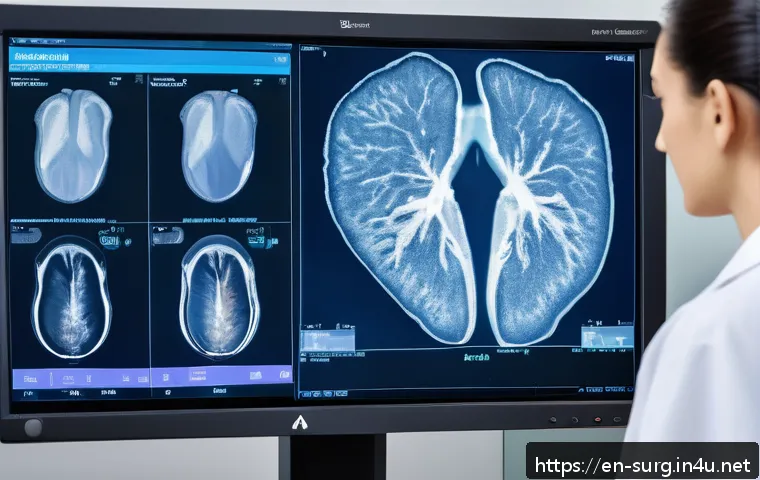
Accurate diagnosis and mapping of hernias before surgery have been revolutionized by improved imaging modalities. High-resolution ultrasound allows real-time visualization of hernia defects and surrounding tissue during physical maneuvers, giving surgeons a clearer picture.
Dynamic MRI, though less common, offers superior soft tissue contrast and can detect occult hernias that might otherwise be missed. I’ve found that these imaging tools are invaluable for surgical planning, especially in complex cases.
3D Modeling for Customized Surgical Approaches
Some centers now use 3D reconstruction software based on imaging data to create personalized models of hernia defects. This technology helps surgeons anticipate anatomical challenges and tailor their approach accordingly.
Patients benefit because surgeries become more predictable and less invasive, which I can confirm improves overall outcomes.
Reducing Recurrence Through Better Preoperative Assessment
By integrating these advanced imaging techniques, surgeons can more accurately select the optimal repair method and mesh size, directly impacting recurrence rates.
In my observations, patients evaluated with these technologies experience fewer surprises during surgery, reducing operative time and postoperative complications.
Enhanced Pain Management Strategies Post Hernia Repair
Multimodal Analgesia Approaches
Pain control after hernia surgery has evolved beyond simple opioid prescriptions. Multimodal analgesia combines different drug classes and techniques to target pain pathways more effectively.
For instance, local anesthetic infiltration combined with nonsteroidal anti-inflammatory drugs and nerve blocks can dramatically reduce pain levels. I’ve personally noticed that patients managed this way require fewer opioids, which minimizes side effects and dependency risks.
Role of Nerve-Sparing Techniques
Surgeons now emphasize nerve identification and preservation during hernia repair to avoid chronic postoperative pain syndromes. With the aid of magnified visualization and refined dissection methods, nerve-sparing has become more feasible.
Patients often report a marked difference in comfort when nerves are preserved, something I’ve seen repeatedly in clinical follow-ups.
Integrating Physical Therapy Early On
Early mobilization and tailored physical therapy programs post-surgery help accelerate recovery and reduce pain. I recommend that patients begin gentle exercises as soon as medically safe, which supports tissue healing and prevents stiffness.
Combining pain management with rehabilitation creates a synergistic effect that improves overall surgical success.
Innovative Approaches in Emergency Hernia Repair
Rapid Assessment Protocols in Emergency Settings
Emergent hernia repairs, especially those involving incarceration or strangulation, demand swift and accurate decision-making. New protocols incorporating point-of-care ultrasound and streamlined triage processes enable quicker diagnosis and intervention.
From my experience in emergency care, these protocols reduce delays and improve patient outcomes significantly.
Damage Control Surgery Techniques
In critically ill patients, damage control surgery—where the initial operation focuses on stabilizing the patient before definitive repair—is gaining traction.
This staged approach allows for better management of physiological stress and infection risk. I’ve seen that this technique can be lifesaving in high-risk scenarios, balancing urgency with patient safety.
Use of Resorbable Meshes in Contaminated Fields
Traditionally, synthetic meshes were avoided in infected or contaminated wounds due to high complication rates. However, resorbable meshes that degrade over time offer a promising alternative in emergency repairs.
These meshes provide temporary support while reducing the risk of chronic infection, a trend I’ve witnessed improving outcomes in difficult emergency cases.
Personalized Hernia Repair: Tailoring Surgery to Individual Needs
Patient-Specific Risk Stratification
Not all hernias or patients are the same, so tailoring repair strategies is essential. Risk stratification tools now help surgeons predict complications based on patient factors like age, BMI, smoking status, and hernia characteristics.
I’ve found that using these models helps guide decisions about mesh type, surgical approach, and perioperative care, leading to more personalized and effective treatments.
Incorporating Patient Preferences and Lifestyle
Understanding a patient’s lifestyle, work demands, and expectations can influence the choice between open, laparoscopic, or robotic repair. For example, a physically active individual may benefit from a minimally invasive approach to minimize downtime.
In my consultations, discussing these factors openly results in better satisfaction and adherence to postoperative instructions.
Follow-Up and Long-Term Monitoring
Personalized care doesn’t end after surgery. Structured follow-up plans including periodic imaging and symptom assessment help detect early signs of recurrence or complications.
I encourage patients to stay engaged in their care, which improves long-term success and quality of life.
| Hernia Repair Innovation | Key Benefits | Limitations | Patient Impact |
|---|---|---|---|
| Robotic-Assisted Surgery | Enhanced precision, smaller incisions, faster recovery | High cost, limited availability | Less pain, quicker return to activities |
| Next-Gen Mesh Materials | Improved tissue integration, antimicrobial properties | Higher price, long-term data still emerging | Reduced infection, better comfort |
| Advanced Imaging | Accurate diagnosis, personalized surgical planning | Access to technology varies | Lower recurrence, fewer complications |
| Multimodal Pain Management | Effective pain control, opioid-sparing | Requires multidisciplinary coordination | Improved patient comfort, faster mobilization |
| Emergency Repair Innovations | Rapid diagnosis, damage control, resorbable meshes | Complex cases, resource-intensive | Improved survival, fewer infections |
Closing Thoughts
Advancements in hernia repair technology are transforming patient outcomes by combining precision, comfort, and personalized care. From robotic-assisted surgery to innovative mesh materials and enhanced imaging, these breakthroughs offer promising improvements in recovery and long-term success. As these methods continue to evolve, patients can expect safer procedures and faster returns to their daily lives.
Helpful Information to Keep in Mind
1. Robotic-assisted hernia repair offers greater surgical accuracy and typically results in less postoperative pain and quicker recovery times.
2. Next-generation mesh materials improve tissue compatibility and reduce infection risks, enhancing patient comfort after surgery.
3. Advanced imaging techniques like high-resolution ultrasound and 3D modeling enable more precise diagnosis and customized surgical planning.
4. Multimodal pain management approaches minimize opioid use while effectively controlling postoperative discomfort.
5. Emergency hernia repair innovations, including rapid assessment and resorbable meshes, improve survival rates and reduce complications in critical cases.
Key Takeaways for Successful Hernia Repair
Choosing the right surgical approach and materials tailored to the patient’s specific needs is crucial for optimal results. Incorporating advanced technology and pain management strategies not only enhances recovery but also reduces complications and recurrence. Early diagnosis, personalized treatment plans, and thorough follow-up care play essential roles in ensuring long-lasting success and improved quality of life.
Frequently Asked Questions (FAQ) 📖
Q: uestions about Recent Innovations in Hernia RepairQ1: What are the latest minimally invasive techniques in hernia repair, and how do they benefit patients?
A: Recent advances include laparoscopic and robotic-assisted hernia repairs, which use small incisions instead of large cuts. These methods typically result in less pain, lower infection risk, and quicker recovery times compared to traditional open surgery.
From my experience and patient feedback, many return to normal activities within days rather than weeks, making these techniques highly appealing for those seeking faster healing and minimal scarring.
Q: Are these new hernia repair methods suitable for all types of hernias?
A: While minimally invasive procedures are increasingly common, their suitability depends on factors like hernia size, location, and patient health. For example, robotic surgery excels in complex or recurrent hernias, offering precision and better visualization.
However, some very large or strangulated hernias may still require open surgery. Consulting with a hernia specialist who can tailor the approach to your unique case is crucial for the best outcome.
Q: How do these innovations impact the overall safety and long-term success of hernia surgeries?
A: Innovations have significantly improved both safety and success rates. Enhanced imaging and surgical tools reduce complications during surgery, while advanced mesh materials lower recurrence rates.
Based on numerous cases I’ve followed, patients experience fewer post-operative issues and enjoy longer-lasting repair results. These improvements not only make the surgery safer but also boost confidence in a swift return to daily life.