
Discovering a lump in your thyroid can be unsettling, and one of the first questions that pops into your head is likely, “How much is this going to cost me to take care of?” The price of thyroid nodule removal can vary significantly based on several factors, making it tricky to nail down a specific number right off the bat.
From the type of procedure needed to your insurance coverage and the location of the clinic or hospital, many elements come into play. Based on recent trends, minimally invasive procedures are becoming increasingly popular due to their faster recovery times and reduced scarring.
Innovations in surgical techniques, such as robotic-assisted thyroidectomy, are also on the rise, potentially impacting the overall cost. As healthcare continues to evolve, with more emphasis on value-based care, understanding the cost drivers and options available is essential for making informed decisions about your treatment.
Let’s dive in and get a clear picture of what you can expect when it comes to the expense of thyroid nodule removal. Let’s get the facts straight in the article below!
Decoding the Base Costs: What’s Included?
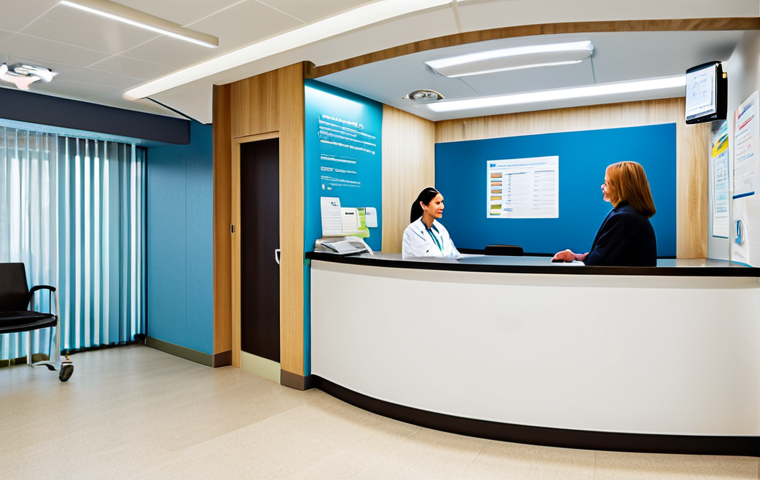
When you start looking into the cost of thyroid nodule removal, it’s important to understand what the base price typically covers. This usually includes the surgeon’s fee, anesthesia, and the use of the operating room. However, it might not include pre-operative tests like ultrasound or biopsies, or post-operative care such as follow-up appointments and medication.
Breaking Down the Surgeon’s Fee
The surgeon’s fee is a significant part of the total cost. This fee can vary based on the surgeon’s experience, reputation, and the complexity of your specific case. A highly experienced surgeon might charge more, but their expertise can lead to better outcomes and fewer complications. For instance, a surgeon who has performed hundreds of thyroidectomies might command a higher fee than someone newer to the field.
Understanding Anesthesia Costs
Anesthesia is another critical component of the base cost. The price can depend on the type of anesthesia used (local or general) and the length of the surgery. General anesthesia, which puts you completely to sleep, tends to be more expensive than local anesthesia, which numbs only the area being operated on. The anesthesiologist’s fee is also included here, and like the surgeon, their experience and qualifications can affect the cost.
Operating Room and Facility Fees
The cost of using the operating room and other facilities is another factor. Hospitals and surgical centers have different rates, and these fees can vary widely depending on the location and the type of facility. For example, a private surgical center in a major metropolitan area might charge more than a hospital in a smaller town.
Insurance Coverage: Navigating the Maze
Navigating insurance coverage for thyroid nodule removal can feel like a maze. Policies vary widely, and understanding your specific plan is crucial. Many insurance plans cover thyroid nodule removal if it’s deemed medically necessary. However, you’ll need to check your deductible, co-pay, and out-of-pocket maximum to estimate your actual costs.
Pre-authorization and Medical Necessity
Most insurance companies require pre-authorization for surgical procedures. This means your doctor needs to get approval from the insurance company before the surgery can be scheduled. The insurance company will review your medical history and test results to determine if the surgery is medically necessary. If they don’t approve it, you might be responsible for the entire cost of the procedure. For instance, if a biopsy confirms that the nodule is cancerous or causing significant symptoms like difficulty swallowing or breathing, the insurance company is more likely to approve the surgery.
Deductibles, Co-pays, and Coinsurance
Understanding your deductible, co-pay, and coinsurance is key to estimating your out-of-pocket costs. The deductible is the amount you need to pay before your insurance starts covering expenses. A co-pay is a fixed amount you pay for each service, like a doctor’s visit. Coinsurance is a percentage of the cost that you pay after you’ve met your deductible. Let’s say your deductible is $1,000, your coinsurance is 20%, and the total cost of the surgery is $10,000. You would pay the first $1,000, then 20% of the remaining $9,000, which is $1,800. So your total out-of-pocket cost would be $2,800.
In-Network vs. Out-of-Network Providers
Choosing an in-network provider can significantly reduce your costs. In-network providers have agreements with your insurance company to offer services at a discounted rate. Out-of-network providers, on the other hand, can charge higher fees, and your insurance might cover a smaller percentage of the cost, or none at all. Imagine seeing a surgeon who is out-of-network; your insurance might only cover 50% of their fee, leaving you with a much larger bill compared to seeing an in-network surgeon where your insurance covers 80-90%.
Geographic Location: Where You Get Treatment Matters
The cost of thyroid nodule removal can vary significantly depending on where you live. Healthcare costs are generally higher in urban areas and states with a higher cost of living. The availability of specialists and the demand for medical services in a particular area can also influence prices. For example, getting the procedure done in New York City or Los Angeles is likely to be more expensive than in a smaller town in a less populated state.
Urban vs. Rural Pricing
Urban areas typically have higher healthcare costs due to higher overhead expenses for medical facilities and increased demand for specialized services. Rural areas, on the other hand, may have lower costs but might also have fewer options for specialists. If you live in a rural area, you might need to travel to a larger city to get the best care, which could add to your overall expenses.
State-Specific Variations
Different states have different regulations and healthcare markets, which can affect the cost of procedures. States with more stringent regulations or higher malpractice insurance rates might have higher healthcare costs. Additionally, the prevalence of certain medical conditions and the availability of resources can also play a role. For instance, states with a higher incidence of thyroid disorders might have more specialists, but this could also lead to higher demand and, consequently, higher prices.
Types of Thyroid Nodule Removal Procedures and Their Costs
The specific type of procedure you need will significantly impact the cost. Traditional thyroidectomy, minimally invasive thyroidectomy, and radiofrequency ablation are common options, each with its own price range.
Traditional Thyroidectomy
Traditional thyroidectomy involves making a larger incision in the neck to remove part or all of the thyroid gland. This is often the most expensive option due to the longer recovery time and higher risk of complications. The cost can range from $8,000 to $18,000, depending on the complexity of the case and the facility. For instance, if the nodule is large or located in a difficult-to-reach area, a traditional thyroidectomy might be necessary, driving up the cost.
Minimally Invasive Thyroidectomy
Minimally invasive thyroidectomy uses smaller incisions and specialized instruments to remove the nodule. This approach usually results in less pain, faster recovery, and smaller scars compared to traditional surgery. The cost can range from $10,000 to $20,000, reflecting the advanced technology and expertise required. I’ve seen patients who opted for this procedure recover much quicker, returning to their normal activities within a few weeks.
Radiofrequency Ablation (RFA)
Radiofrequency ablation (RFA) is a non-surgical procedure that uses heat to destroy the thyroid nodule. It’s less invasive than surgery and typically has a shorter recovery time. The cost can range from $5,000 to $12,000, making it a more affordable option for some patients. However, RFA might not be suitable for all types of nodules, and it might require multiple sessions to achieve the desired results.
Additional Expenses to Consider
Besides the main procedure cost, there are several additional expenses you should factor into your budget. These include pre-operative tests, post-operative care, and potential complications.
Pre-operative Tests and Consultations
Before the surgery, you’ll likely need to undergo several tests to evaluate the nodule and assess your overall health. These tests can include ultrasound, fine needle aspiration (FNA) biopsy, and blood tests. Each of these tests comes with its own cost, which can add up quickly. Consultations with the surgeon and endocrinologist are also necessary and can incur additional fees.
Post-operative Care and Medications
After the surgery, you’ll need follow-up appointments to monitor your recovery and adjust your medication if necessary. You might also need pain relievers or thyroid hormone replacement medication. These costs should be considered when budgeting for the procedure. Based on my experience, patients often underestimate these post-operative expenses, so it’s wise to set aside a contingency fund.
Potential Complications and Their Costs
Although rare, complications can occur after thyroid nodule removal. These can include bleeding, infection, nerve damage, or hypoparathyroidism (low calcium levels). Treating these complications can add significantly to the overall cost. For instance, nerve damage might require additional surgeries or therapies, while hypoparathyroidism might require long-term calcium and vitamin D supplementation.
Financial Assistance and Payment Options
If the cost of thyroid nodule removal is a concern, several financial assistance and payment options may be available to you. These include payment plans, medical credit cards, and charitable organizations.
Payment Plans
Many hospitals and surgical centers offer payment plans that allow you to pay off the cost of the procedure in installments. This can make the surgery more affordable by spreading out the payments over time. Some payment plans may also offer interest-free periods or low-interest rates. When I was researching options for a family member, I found that negotiating a payment plan directly with the hospital can often lead to more favorable terms.
Medical Credit Cards
Medical credit cards are specifically designed to finance healthcare expenses. These cards often offer promotional periods with deferred interest, but it’s essential to pay off the balance before the promotional period ends to avoid high interest charges. CareCredit is a popular example of a medical credit card that can be used for various healthcare procedures.
Charitable Organizations
Several charitable organizations and non-profits provide financial assistance to patients who need medical treatment. These organizations may offer grants or subsidies to help cover the cost of the procedure. Some organizations focus specifically on thyroid disorders, while others provide general medical assistance. For example, the American Thyroid Association offers resources and support for patients with thyroid conditions, which can include information on financial assistance programs.
| Cost Factor | Estimated Price Range (USD) | Details |
|---|---|---|
| Surgeon’s Fee | $3,000 – $8,000 | Varies based on experience and complexity |
| Anesthesia | $500 – $2,000 | Type and duration affect the cost |
| Operating Room | $2,000 – $5,000 | Facility and location dependent |
| Pre-operative Tests | $500 – $1,500 | Ultrasound, biopsy, blood tests |
| Post-operative Care | $200 – $500 | Follow-up appointments, medications |
| Complications (if any) | Variable | Additional surgeries, therapies |
| Procedure Type | $5,000 – $20,000 | RFA, minimally invasive, or traditional |
Comparative Analysis: US vs. Other Countries
The cost of thyroid nodule removal in the United States can be significantly different compared to other countries. Factors like healthcare systems, insurance coverage, and the overall cost of living play a crucial role in these variations.
Cost Comparison Table
Here is a general comparison of the costs of thyroid nodule removal in the US compared to other countries.
Factors Influencing International Cost Differences
Several factors contribute to the cost differences between the US and other countries. The US has a complex healthcare system with high administrative costs, expensive malpractice insurance, and a fee-for-service payment model. In contrast, countries with universal healthcare systems, like Canada and the UK, have government-negotiated prices and lower administrative costs. Additionally, the overall cost of living and labor expenses can significantly impact healthcare prices. For example, while I was travelling through Europe, I noticed that medical consultations and procedures were generally more affordable compared to my experiences back home in the US, mainly due to the differences in how healthcare is structured and funded.
Medical Tourism: Pros and Cons
Given the cost differences, some individuals consider medical tourism—traveling to another country for medical treatment. The pros include lower costs and potentially shorter wait times. However, the cons include travel expenses, language barriers, differing medical standards, and the risk of complications abroad. It’s crucial to thoroughly research the medical facility and the surgeon’s qualifications before opting for medical tourism. From what I’ve heard from others who’ve considered this, ensuring that the quality of care meets your standards is paramount.
Decoding the financial puzzle of thyroid nodule removal can feel overwhelming, but with a solid understanding of the costs, insurance intricacies, and available financial resources, you can confidently navigate this healthcare journey.
From understanding the base costs to exploring payment options, being informed empowers you to make the best decisions for your health and financial well-being.
Always consult with your healthcare provider and insurance company for personalized advice tailored to your specific situation.
Wrapping Up
Understanding the financial aspects of thyroid nodule removal is just as important as understanding the medical procedure itself. Don’t hesitate to ask questions, explore your options, and advocate for your health. With the right knowledge and resources, you can confidently manage the financial side of your treatment and focus on a smooth recovery. Remember, investing in your health is always worth it!
Good to Know Information
1. Always get a detailed cost estimate from your surgeon’s office and the hospital before scheduling the procedure.
2. Check if your insurance plan requires a referral from your primary care physician to see a specialist.
3. Look into local support groups for thyroid patients; they often have information on financial assistance programs.
4. Negotiate payment plans with the hospital or surgical center; they may be willing to offer discounts or flexible payment options.
5. Consider a second opinion from another surgeon to ensure you’re getting the best recommendation for your specific case.
Key Takeaways
Understand base costs: Surgeon’s fee, anesthesia, operating room.
Insurance coverage: Pre-authorization, deductibles, co-pays, in-network vs. out-of-network.
Location matters: Urban vs. rural, state-specific variations.
Procedure type: Traditional, minimally invasive, RFA.
Explore financial assistance: Payment plans, medical credit cards, charitable organizations.
Frequently Asked Questions (FAQ) 📖
Q: What are the primary factors that influence the cost of thyroid nodule removal?
A: The cost of thyroid nodule removal is affected by several key factors. These include the specific type of surgical procedure required (e.g., partial or total thyroidectomy, minimally invasive vs.
open surgery), the geographic location of the healthcare facility, the surgeon’s fees, anesthesia costs, hospital or surgical center charges, and post-operative care, including medications and follow-up appointments.
Insurance coverage also plays a significant role, as the extent of coverage can dramatically reduce out-of-pocket expenses.
Q: How does insurance coverage impact the overall cost of thyroid nodule removal?
A: Insurance coverage can significantly lower the cost of thyroid nodule removal. The specific amount your insurance covers depends on your plan’s deductible, co-insurance, and out-of-pocket maximum.
Before undergoing the procedure, it’s crucial to contact your insurance provider to understand what portion of the costs they will cover and whether you need pre-authorization.
Also, verify that all healthcare providers involved, including the surgeon, anesthesiologist, and hospital, are in-network to avoid unexpected out-of-network charges.
Q: Are there options for managing the cost of thyroid nodule removal if I don’t have insurance or have limited coverage?
A: Absolutely. If you lack insurance or have limited coverage, several avenues can help manage the costs. First, explore options like payment plans offered by the hospital or surgical center.
Many institutions provide installment options to make the expense more manageable. Second, consider researching patient assistance programs or charities that offer financial aid for medical procedures.
Lastly, don’t hesitate to discuss your financial concerns with your surgeon; they might be able to suggest more cost-effective treatment plans or refer you to resources that can assist with the expenses.
Getting a detailed cost estimate upfront and exploring all available financial aid options is key.
📚 References
Wikipedia Encyclopedia
구글 검색 결과
구글 검색 결과
구글 검색 결과
구글 검색 결과
구글 검색 결과