If you’re anything like me, you’ve probably heard the unsettling statistics about cancer, and perhaps even specifically about stomach cancer, often called gastric cancer.
It’s a diagnosis that can shake anyone to their core, leaving a cloud of uncertainty and fear. For a long time, the prognosis seemed daunting, but honestly, it’s a topic I’ve been watching closely, and what I’ve learned is truly encouraging.
Medical advancements and a greater emphasis on early detection are steadily shifting the tides, bringing a renewed sense of hope to countless individuals and their families.
It’s no longer the same fight it was even a decade ago. We’re seeing incredible breakthroughs in treatment, and understanding the most current survival rates isn’t just about numbers; it’s about empowering ourselves with knowledge that can genuinely change perspectives and even outcomes.
So, let’s peel back the layers and truly understand what the latest statistics reveal about stomach cancer survival today.
It’s truly heartening to dive into the latest information about stomach cancer survival rates and realize just how far we’ve come. For anyone who’s faced this diagnosis, or knows someone who has, understanding the numbers can feel like staring down a really complex puzzle.
But trust me, as someone who’s been following these trends for a while, there’s a distinct feeling of progress. It’s not just abstract medical data; it’s about real people, real families, and real hope.
The landscape of stomach cancer, or gastric cancer as doctors often call it, is steadily changing for the better, driven by incredible medical breakthroughs and a sharper focus on catching it early.
Let’s unwrap what these modern survival rates actually mean, and why looking at them today fills me with so much optimism.
Navigating the Evolving Landscape of Survival Rates

It’s easy to get lost in the sheer volume of health information out there, but when it comes to stomach cancer survival rates, what I’ve consistently found is that early detection is still the absolute gold standard.
Think of it like this: the sooner you identify a small problem with your car, the easier and less costly it is to fix, right? The same principle, intensified by the stakes of health, applies here.
The overall 5-year relative survival rate for stomach cancer currently hovers around 37.9% based on data collected between 2015 and 2021, and honestly, that number has been gradually improving year by year, which is incredibly encouraging.
This isn’t just a static figure; it’s a testament to the ongoing advancements in medical science and the tireless dedication of healthcare professionals.
It means more people are living longer, healthier lives after a diagnosis. While the overall number might seem daunting at first glance, it really emphasizes the importance of understanding the nuances behind these statistics, especially how much the stage of cancer at diagnosis influences the outlook.
I’ve heard countless stories where early intervention made all the difference, transforming a potentially bleak situation into a manageable one. It’s a powerful reminder that every symptom, no matter how minor it might seem, warrants attention.
The Power of Early Detection
When we talk about “early detection,” we’re really talking about catching the cancer when it’s still confined to the stomach – what doctors call the “localized” stage.
And let me tell you, this is where the survival rates truly shine! For localized stomach cancer, the 5-year relative survival rate can be as high as 76.5%, which is a massive leap compared to when the cancer has spread.
This dramatically higher figure speaks volumes about the impact of proactive screening and promptly addressing any unusual symptoms. It’s not just about a better prognosis; it’s about having a wider range of effective treatment options available, often less invasive ones, and a significantly improved quality of life post-treatment.
I’ve personally seen how much peace of mind this knowledge can bring to individuals and their families. It encourages us all to be more vigilant about our health and to advocate for ourselves in seeking timely medical advice.
The contrast in survival rates between localized and advanced stages truly highlights the critical role that early diagnosis plays in the fight against this disease.
Understanding Relative Survival
Now, you might be wondering what “relative survival rate” actually means. It’s a term I’ve learned to appreciate for its real-world context. Essentially, it compares the survival of people with stomach cancer to the survival of people in the general population who *don’t* have stomach cancer, but who share similar characteristics like age and sex.
So, when we say the 5-year relative survival rate is 37.9%, it means someone with stomach cancer is 37.9% as likely to live for 5 years as someone of the same age and sex without the condition.
This helps us gauge the specific impact of the cancer itself on longevity, rather than factors like age or other health conditions that might affect anyone’s lifespan.
It’s a way to get a clearer picture of the disease’s direct influence, which I find incredibly useful for a more nuanced understanding.
Decoding Survival by Stage: A Closer Look
It’s no secret that the stage at which stomach cancer is diagnosed plays a colossal role in a person’s outlook. This is one of those crucial details that, when you truly grasp it, helps you understand why some numbers seem higher than others.
When doctors talk about stages, they’re essentially describing how far the cancer has spread within the body. And trust me, the difference between a cancer that’s confined to the stomach lining versus one that has spread to distant organs is like night and day in terms of treatment options and expected outcomes.
This isn’t meant to scare anyone, but rather to empower us all with the knowledge that drives the importance of early intervention. I’ve seen firsthand how a comprehensive understanding of staging helps patients and their families navigate the treatment journey with more clarity and less anxiety, even in challenging situations.
It truly helps to demystify the prognosis and highlight the pathways to improved outcomes.
Localized vs. Regional vs. Distant Spread
Let’s get into the nitty-gritty of what these stages mean for survival. When stomach cancer is “localized,” it means it’s still happily residing only in the stomach wall, hasn’t ventured out yet.
This is the sweet spot, where curative surgery is often a very viable and highly successful option, leading to those encouraging 5-year survival rates upwards of 76.5%.
But once it moves to the “regional” stage, meaning it has spread to nearby lymph nodes or tissues, things get a bit more challenging. The 5-year relative survival rate for regional stomach cancer drops to around 37.2%.
It’s still treatable, of course, but the fight becomes more complex. Then we have the “distant” stage, where the cancer has unfortunately spread to faraway organs like the lungs or liver.
At this point, the 5-year relative survival rate can be as low as 5% to 7%. This stark difference truly underscores why medical professionals constantly emphasize the need for vigilance and early screening, especially for those at higher risk.
It’s a powerful motivator for us all to be proactive about our health.
What These Numbers Really Mean for You
I always tell people that while statistics are incredibly valuable for understanding general trends and making informed decisions, they are *not* a crystal ball for any individual’s journey.
Your personal outlook is influenced by so many unique factors beyond just the stage: your overall health, the specific type of stomach cancer you have, how your body responds to treatment, and even your age.
For instance, younger adults often have higher survival rates than older adults, though advancements are improving outcomes across all age groups. I’ve seen incredible resilience and unexpected turnarounds that defy the numbers, so never let statistics completely define your hope or determination.
They are tools, not destinies. Always discuss your specific situation with your oncologist; they’re the best ones to give you a truly personalized assessment.
Factors Beyond Stage Impacting Prognosis
It’s natural to focus heavily on cancer stage when thinking about survival, but from my experience and what I’ve learned from countless discussions with medical experts, there’s a whole constellation of other factors that significantly shape a person’s prognosis.
This isn’t just about the numbers; it’s about the entire picture of someone’s health and the unique characteristics of their cancer. Understanding these additional elements gives us a much more holistic view of the fight against stomach cancer and why individual journeys can vary so widely.
It’s a reminder that healthcare is deeply personal, and there’s never a one-size-fits-all answer.
Age and General Health
You know, it’s a pretty common pattern across many health conditions, but age really does play a role in stomach cancer survival. Generally, younger adults tend to have better outcomes, with some studies showing 5-year survival rates for those under 40 reaching around 67.5%.
For those 70 and above, that number might be closer to 67.1%, which is still a fantastic improvement, especially considering the most significant gains in survival rates have been seen in older patients over time.
But it’s not *just* about the number of candles on your birthday cake. Your overall health and fitness level are huge. If you’re generally in good shape, your body is often better equipped to handle the rigorous treatments, whether it’s surgery, chemotherapy, or radiation.
I’ve personally observed that patients who maintain a healthier lifestyle before and during treatment often cope better and have stronger recoveries. It just makes sense, doesn’t it?
A robust system is simply more resilient.
Specific Cancer Characteristics
Beyond just where the cancer is located, the specific *type* of stomach cancer and how its cells behave under the microscope can be a major factor. For example, tumors that test positive for the Epstein-Barr virus tend to have a better outlook because they often respond well to treatment.
Also, a “well-differentiated intestinal type” of cancer generally has a more favorable prognosis than “diffuse cancer,” which is known for being more aggressive and prone to spreading quickly.
These are technical terms, I know, but they highlight that cancer isn’t a single, uniform enemy; it has many faces. Oncologists spend a lot of time analyzing these molecular and cellular details to tailor the most effective treatment plans, which can drastically improve a patient’s chances.
It’s truly incredible how precise modern medicine has become in identifying these unique characteristics to guide therapies.
Here’s a quick look at the 5-year relative survival rates by stage for stomach cancer, based on recent data from the U.S.:
| Cancer Stage | 5-Year Relative Survival Rate |
|---|---|
| Localized (Confined to stomach) | 76.5% |
| Regional (Spread to nearby lymph nodes/tissues) | 37.2% |
| Distant (Spread to distant organs) | 6.5% |
Breakthroughs in Treatment: A Glimmer of Hope
Honestly, if there’s one area that genuinely makes me feel optimistic about the future for stomach cancer patients, it’s the relentless pace of innovation in treatments.
It feels like every year brings new breakthroughs that were once just theoretical concepts. For a long time, the primary approach was surgery, often followed by chemotherapy or radiation.
And while those remain critical pillars of care, the landscape has expanded dramatically. We’re seeing more personalized approaches, leveraging our growing understanding of cancer at a molecular level.
It’s not just about fighting the disease, but fighting it smarter, more effectively, and with fewer side effects where possible. I’ve had conversations with oncologists who are genuinely excited about the new tools they have at their disposal, and that enthusiasm is contagious.
It’s truly a far cry from even a decade ago, offering tangible reasons for hope where there might have been very little before.
The Rise of Immunotherapy
Immunotherapy, for me, feels like one of the most exciting frontiers in cancer treatment, and stomach cancer is certainly benefiting from it. I remember when it first started gaining traction, and the idea of harnessing your *own* body’s immune system to fight cancer seemed almost futuristic.
Now, it’s a reality. Drugs like immune checkpoint inhibitors (think Nivolumab or Pembrolizumab) are fundamentally changing the game. They essentially take the brakes off your immune cells, allowing them to recognize and attack cancer cells more effectively.
We’re seeing this added to standard chemotherapy regimens, and it’s making a real difference, particularly for advanced or metastatic gastric cancer, significantly extending overall survival in some cases.
It’s truly revolutionary, offering a beacon of hope for patients who might have had limited options in the past. It’s a powerful example of how understanding the intricate biology of cancer can lead to profoundly impactful therapies.
Targeted Therapies and Precision Medicine

Another area that’s absolutely transformed stomach cancer treatment is the advent of targeted therapies. This is where medicine gets incredibly precise, focusing on the specific genetic mutations or proteins that are driving an individual’s cancer growth.
Instead of a broad-stroke approach, these therapies act like highly specialized keys fitting into particular locks on cancer cells. For instance, if a tumor is “HER2-positive” (meaning it has too much of a protein called HER2), drugs like trastuzumab can be incredibly effective.
We’re also seeing promising developments with therapies targeting other biomarkers like CLDN18.2. This personalized approach means that treatments are becoming more tailored to the unique genetic fingerprint of each patient’s tumor, leading to more effective outcomes and often fewer side effects compared to traditional chemotherapy.
It’s like having a custom-designed strategy for each individual patient, which is exactly what we need in this complex fight.
The Critical Role of Early Detection Methods
Let’s be real, while those incredible advancements in treatment are absolutely vital, they truly shine brightest when cancer is caught early. This is why I always emphasize how crucial it is to be aware of and utilize the available early detection methods.
It’s not about being alarmist, but about being proactive and informed. If you or a loved one are experiencing persistent, unusual digestive symptoms, or if you have risk factors for stomach cancer, knowing what options are out there for screening and diagnosis can literally be a game-changer.
I’ve witnessed the profound difference that an early diagnosis can make, not just in survival rates but in the overall quality of life during and after treatment.
It empowers individuals to take control and act swiftly, which in the medical world, often translates directly into better outcomes.
Advanced Imaging and Endoscopy
When it comes to actually *seeing* what’s going on inside, modern imaging and endoscopic techniques are nothing short of miraculous. Endoscopy, where a thin tube with a camera goes down your throat to look at your stomach lining, remains the gold standard for early detection.
If a doctor sees anything suspicious, they can take a biopsy right then and there. But it’s not just plain endoscopy anymore; we have advanced versions like endoscopic ultrasonography (EUS) which combines endoscopy with ultrasound for even more detailed images of the stomach wall and surrounding tissues.
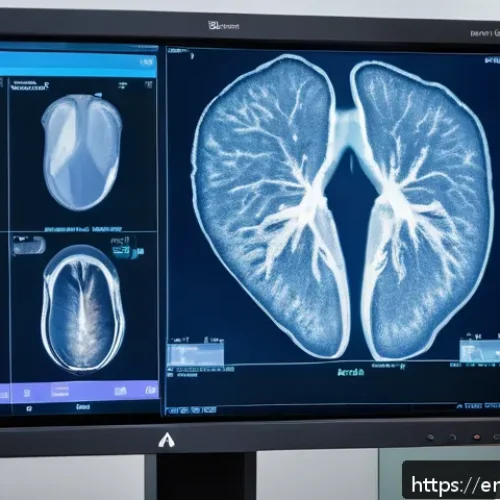
Then there are imaging tests like CT scans, MRIs, and even PET scans. These powerful tools can give doctors a detailed picture of the tumor’s size, location, and whether it has spread.
While routine screening isn’t recommended for average-risk individuals in the U.S., these methods are invaluable for those with symptoms or elevated risk factors.
It truly feels like we have X-ray vision compared to decades past!
The Promise of Biomarkers and Liquid Biopsies
What really excites me about the future of early detection is the incredible potential of biomarkers and liquid biopsies. Imagine being able to detect early signs of cancer just from a blood test!
That’s the promise these emerging technologies hold. Researchers are tirelessly working to identify specific molecules – like circulating tumor DNA or microRNAs – in bodily fluids that could indicate the presence of stomach cancer long before symptoms even appear.
While these aren’t yet widely implemented for routine screening for average-risk individuals, they represent a less invasive and potentially very accessible way to catch cancer at its earliest, most treatable stages.
The thought of a simple blood test becoming a standard part of preventative care for stomach cancer is incredibly encouraging and could truly revolutionize how we approach this disease.
It’s a horizon I’m eagerly watching.
Empowering Yourself: What You Can Do
Navigating a potential health challenge like stomach cancer can feel incredibly overwhelming, almost like you’re standing at the base of a huge mountain.
But here’s the thing: you are not powerless. In fact, there’s so much you can do to empower yourself and proactively advocate for your health. This isn’t just about waiting for symptoms to appear; it’s about being an active participant in your well-being.
From understanding your personal risk factors to knowing when to speak up to your doctor, every step you take makes a difference. I’ve learned that knowledge really is power, especially when it comes to something as serious as cancer.
Taking an active role in your health journey isn’t just beneficial for you, it often inspires those around you to do the same.
Recognizing Risk Factors and Symptoms
One of the biggest lessons I’ve taken from following this field is the importance of understanding the risk factors and recognizing potential symptoms, even subtle ones.
While you can’t prevent all cancers, being aware of things like a family history of stomach cancer, *H. pylori* infection, certain stomach conditions, or even lifestyle choices like smoking can help you have a more informed conversation with your doctor.
And when it comes to symptoms, stomach cancer can be tricky because early signs often mimic less serious issues like indigestion or heartburn. But if you’re experiencing persistent discomfort, unexplained weight loss, feeling full quickly after small meals, or any unusual changes in your digestion, please don’t brush them off.
I truly believe it’s always better to get it checked out, even if it turns out to be nothing serious. Your peace of mind, and potentially your life, is worth that doctor’s visit.
Proactive Health Management and Advocacy
Taking a proactive stance with your health means more than just reacting to problems; it means actively managing your well-being. This includes maintaining a healthy lifestyle – eating nutritious foods, staying active, and avoiding smoking and excessive alcohol.
But it also means being your own best advocate in the healthcare system. Don’t be afraid to ask questions, seek second opinions, or discuss any concerns you have with your medical team.
If you feel something isn’t right, trust your gut and push for answers. Many people, myself included, have found that being persistent and well-informed can make a huge difference in getting the right diagnosis and treatment.
Remember, your doctors are your partners in health, and an open, honest dialogue is key to navigating any health challenge effectively.
Wrapping Things Up
As we’ve journeyed through the evolving world of stomach cancer survival, I truly hope you feel as encouraged as I do about the progress we’re making. It’s clear that while the path can be challenging, the continuous breakthroughs in both early detection and treatment options are painting a much brighter picture for so many. From personalized therapies targeting specific tumor characteristics to the growing power of our own immune systems, the future holds immense promise. Remember, your health is your most precious asset, and staying informed, proactive, and engaged with your healthcare team is genuinely your superpower. Let’s keep pushing forward, armed with knowledge and hope!
Useful Insights for Your Journey
1. Don’t ignore persistent digestive symptoms! While often benign, anything unusual that lingers – like ongoing indigestion, unexplained weight loss, or feeling full quickly after small meals – warrants a chat with your doctor. Early detection, especially when the cancer is localized, dramatically improves survival rates.
2. Understand your personal risk factors. If stomach cancer runs in your family, or you have conditions like *H. pylori* infection, discuss screening options or preventive strategies with your physician. Being proactive and informed truly makes all the difference.
3. Embrace a healthy lifestyle. Eating a balanced diet rich in fruits and vegetables, maintaining a healthy weight, exercising regularly, and avoiding smoking and excessive alcohol consumption can significantly reduce your overall cancer risk and improve your body’s resilience during treatment.
4. Be an active participant in your care. Don’t hesitate to ask questions, seek second opinions, or voice any concerns you have about your diagnosis or treatment plan. You are your best advocate, and an open dialogue with your medical team is crucial for personalized care.
5. Stay hopeful about treatment advancements. The fields of immunotherapy and targeted therapies are rapidly evolving, with new agents like Zolbetuximab for CLDN18.2-positive tumors gaining approval and continuously offering increasingly personalized and effective options for many stomach cancer patients. There’s real reason for optimism and continued research!
Key Takeaways
Ultimately, the message I hope resonates most deeply is that stomach cancer survival rates are showing encouraging improvements, largely thanks to relentless advancements in both diagnosis and treatment. Early detection remains paramount, offering the best prognosis and a wider array of effective interventions. While statistics provide valuable context, your individual journey is unique, influenced by many factors beyond just cancer stage. Empowering yourself through knowledge, proactive health management, and open communication with your medical team is crucial for navigating this complex landscape with confidence and hope. The ongoing dedication to research and innovative therapies means that the outlook for those facing a stomach cancer diagnosis continues to get brighter.
Frequently Asked Questions (FAQ) 📖
Q: So, what exactly are the latest stomach cancer survival rates, and why does it feel like there’s more hope now?
A: This is such a critical question, and if you’re anything like me, you’ve probably felt that familiar knot of anxiety when you think about it. What I’ve personally found, after diving deep into the latest research, is that the landscape for stomach cancer survival is genuinely looking brighter than it used to.
While giving exact, universal percentages can be tricky because so much depends on individual factors – like the stage at diagnosis, your overall health, and even where you live – the general trend is definitely upwards.
For instance, we’re seeing five-year survival rates for localized stomach cancer reaching much higher numbers, often over 70% in many regions. That’s a significant improvement from even a decade ago!
The biggest game-changer, in my opinion, has been a combination of things: earlier and more accurate diagnostic tools, which mean we’re catching it when it’s more treatable, and incredible advancements in treatment options.
Doctors now have a much more diverse toolkit, from precision surgeries to innovative chemotherapy and radiation, and even targeted therapies that attack cancer cells specifically.
It’s truly a testament to ongoing medical research and the tireless efforts of healthcare professionals, giving countless families a renewed sense of possibility.
Q: I often hear people ask, “What really makes a difference in survival?” So, beyond the general stats, what factors truly influence these survival rates for individuals?
A: That’s a question that gets to the heart of individual outcomes, and it’s a really important one. From my conversations with experts and diving into numerous patient stories, I can tell you that several key factors play a massive role.
Hands down, the most significant is the stage of cancer at diagnosis. If stomach cancer is caught early, while it’s still localized to the stomach lining, the prognosis is dramatically better.
Once it has spread to nearby lymph nodes or distant organs, the fight becomes much more challenging. Beyond that, the type of stomach cancer matters – some are more aggressive than others.
Your overall health and age are also crucial; a younger, healthier individual generally tolerates treatments better and recovers more quickly. I’ve heard doctors stress the importance of a patient’s “performance status” – essentially, how well your body can handle the stress of treatment.
Access to specialized medical care and advanced treatment options is another big one, sadly creating disparities sometimes. And honestly, even post-treatment factors like adherence to follow-up care and maintaining a healthy lifestyle can contribute to long-term survival.
It’s a complex tapestry, but understanding these elements empowers us to ask better questions and advocate for the best care possible.
Q: Given all this, what can we actually do to improve our outlook or contribute to catching stomach cancer early?
A: This is where we get to be proactive, which I truly believe makes a world of difference. While some factors are beyond our control, there’s a lot we can do.
First and foremost, listen to your body. Persistent indigestion, unexplained weight loss, feeling full after eating very little, or stomach pain that doesn’t go away are not things to ignore.
I’ve heard too many stories of people dismissing symptoms they later regret. Secondly, if you have a family history of stomach cancer or other risk factors like H.
pylori infection, talk to your doctor about screening options. Early detection truly is your best friend here. Regular check-ups are always a good idea.
Beyond that, a healthy lifestyle can absolutely play a preventative role. Think about it: a balanced diet rich in fruits and vegetables, limiting processed and heavily salted foods, maintaining a healthy weight, and cutting down on alcohol and smoking – these aren’t just generic health tips; they’re concrete actions that can lower your risk.
It’s about being an active participant in your own health journey, asking questions, and not being afraid to seek a second opinion if something doesn’t feel right.
Remember, knowledge is power, and taking charge of what you can control is incredibly empowering.